
A small plateau preserving the silent charm of highland pastures.
Campomaggiore is a municipality in the province of Potenza, Basilicata.
It is the smallest municipality in the region by surface area, situated at an elevation of around 800–810 meters above sea level.
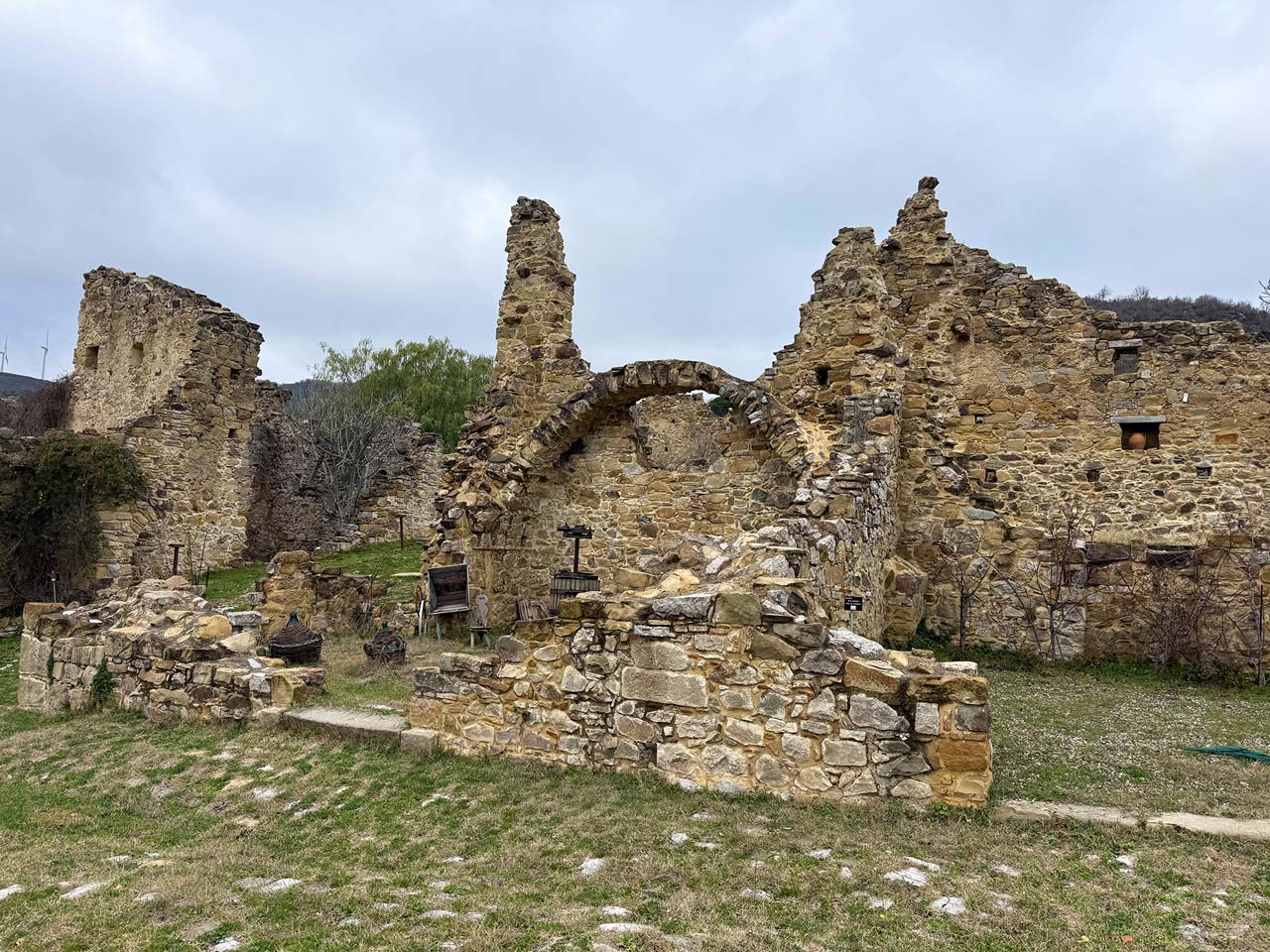
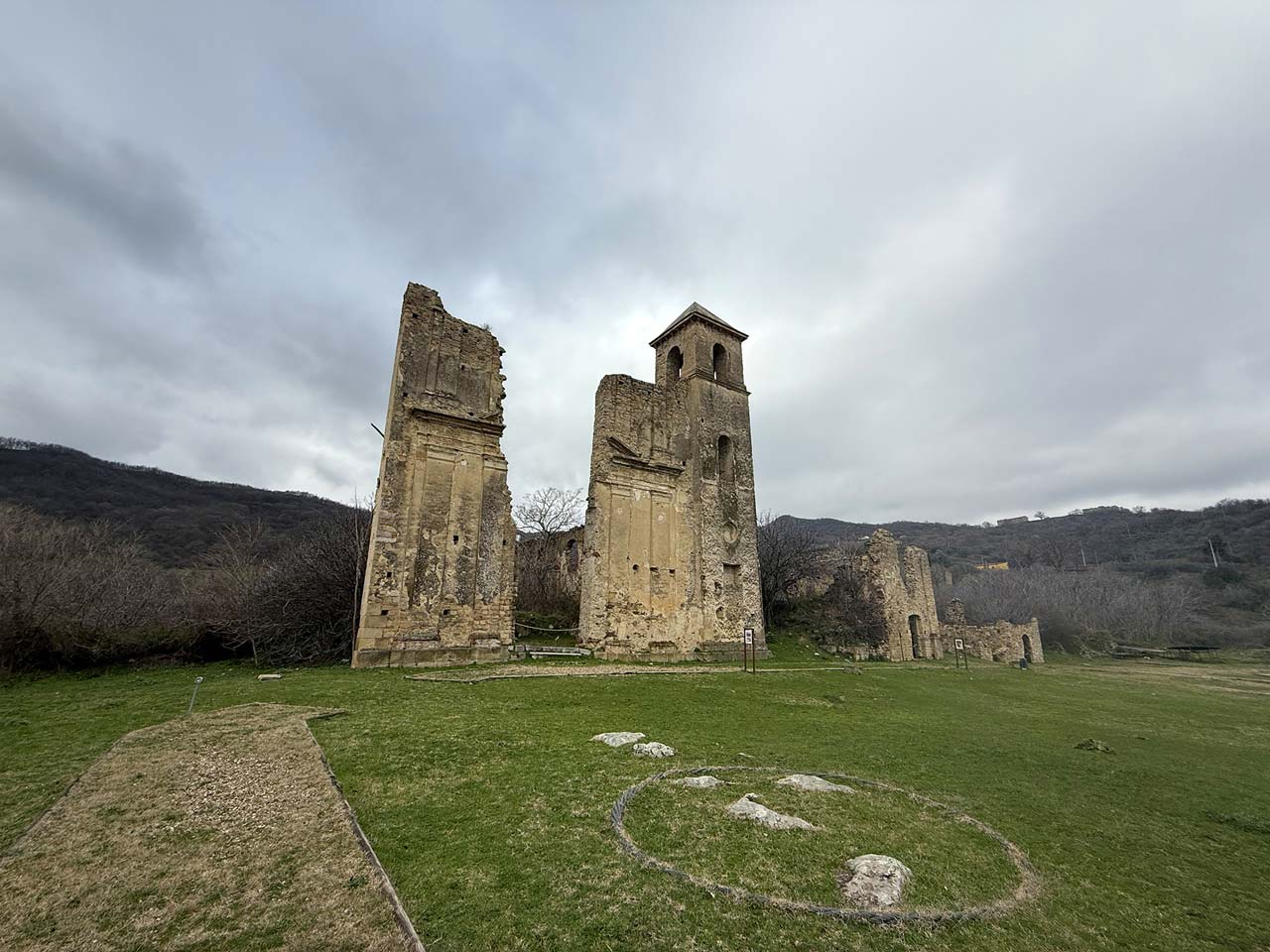
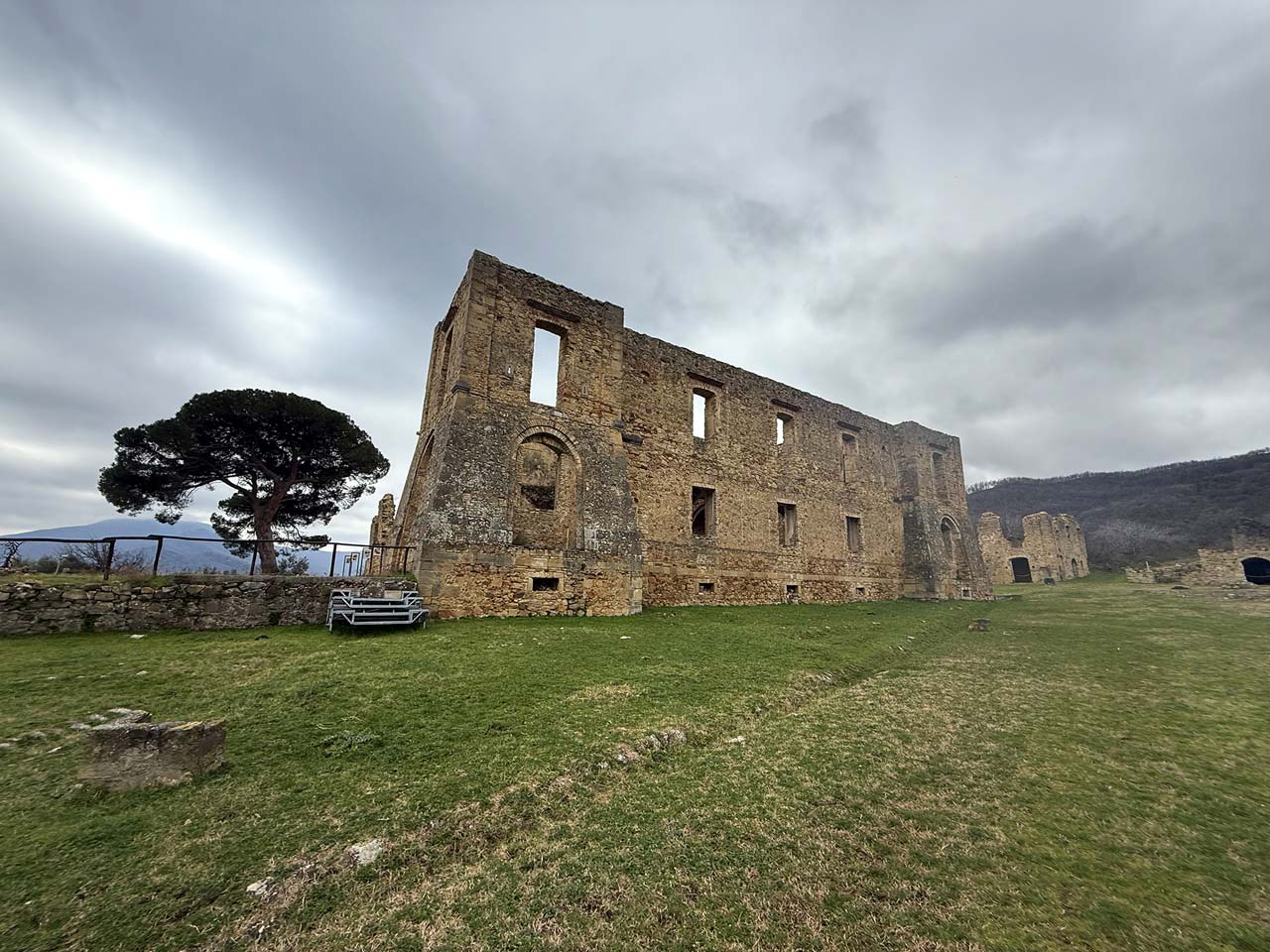
The village is best known for its “Old Historic Center” — Campomaggiore Vecchio, abandoned after a landslide in 1885.
The town was formally founded on December 30, 1741, by noblewoman Marianna Proto, widow of Count Nicola Rendina, though its roots likely trace back to earlier settlements, as suggested by the Latin name Campus Maiorem.
After the landslide, the new village was rebuilt nearby, maintaining the community’s life, rooted in agriculture (grapevines, olives, local crops) and a strong sense of historical memory.
TRANSHUMANCE IN CAMPOMAGGIORE
Campomaggiore has always had an agricultural and pastoral vocation: vineyards, olive groves, vegetable gardens, and likely small-scale livestock farming.
It is plausible that local forms of transhumance were practiced in the surrounding countryside and hamlets—perhaps on a small scale—with seasonal movements between nearby pastures, especially given the hilly and mountainous nature of the territory.
WHAT TO VISIT
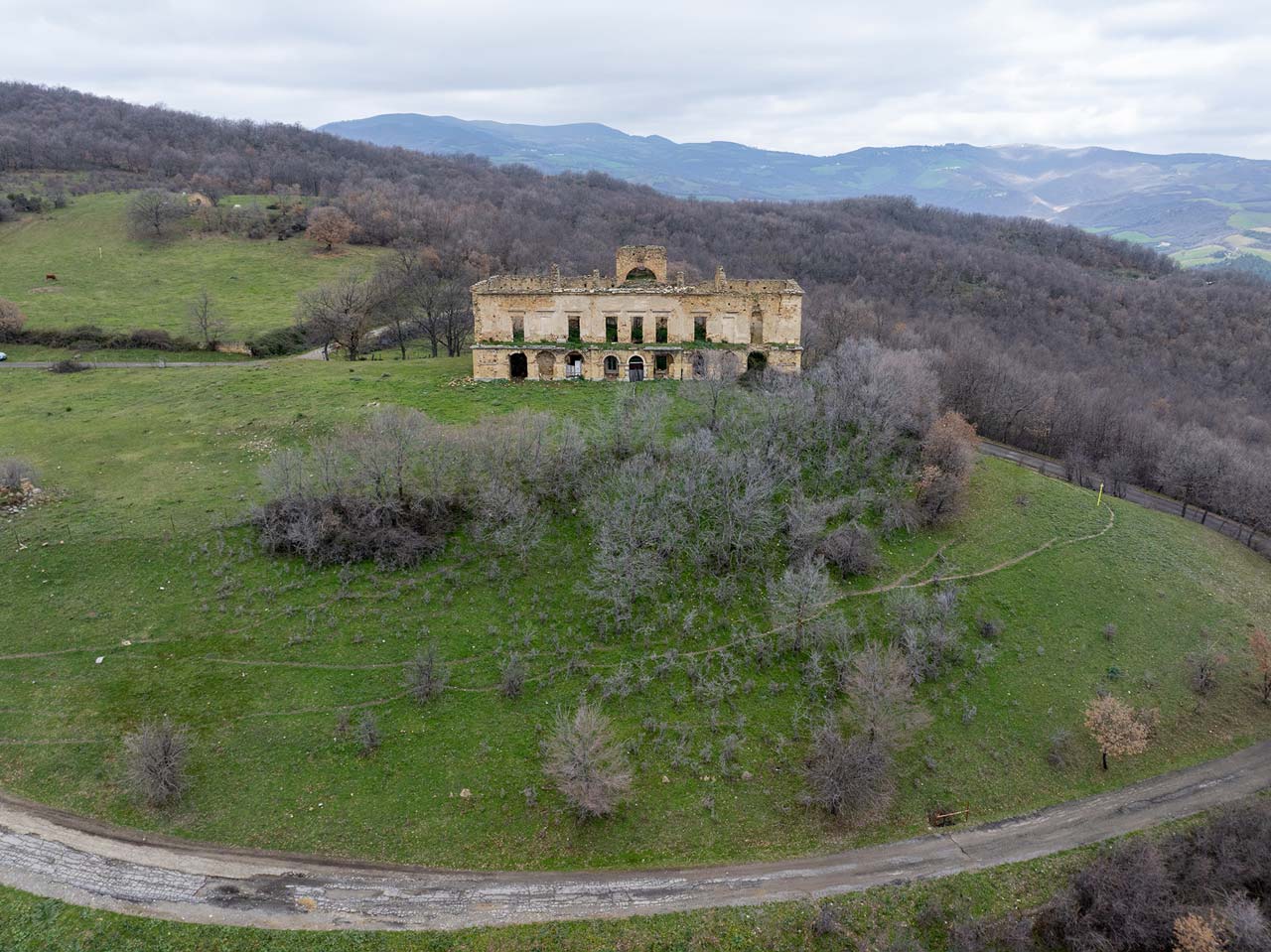
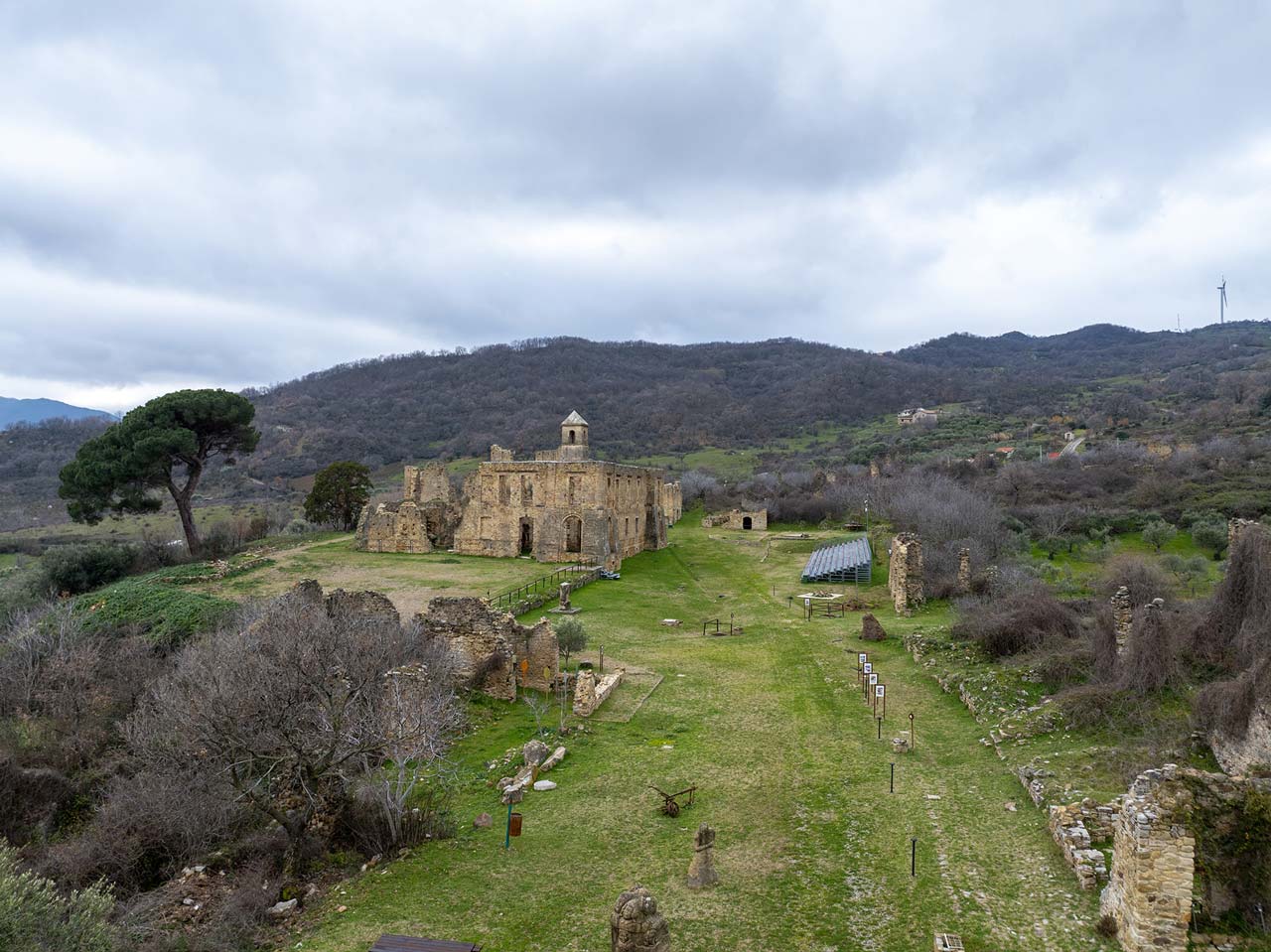
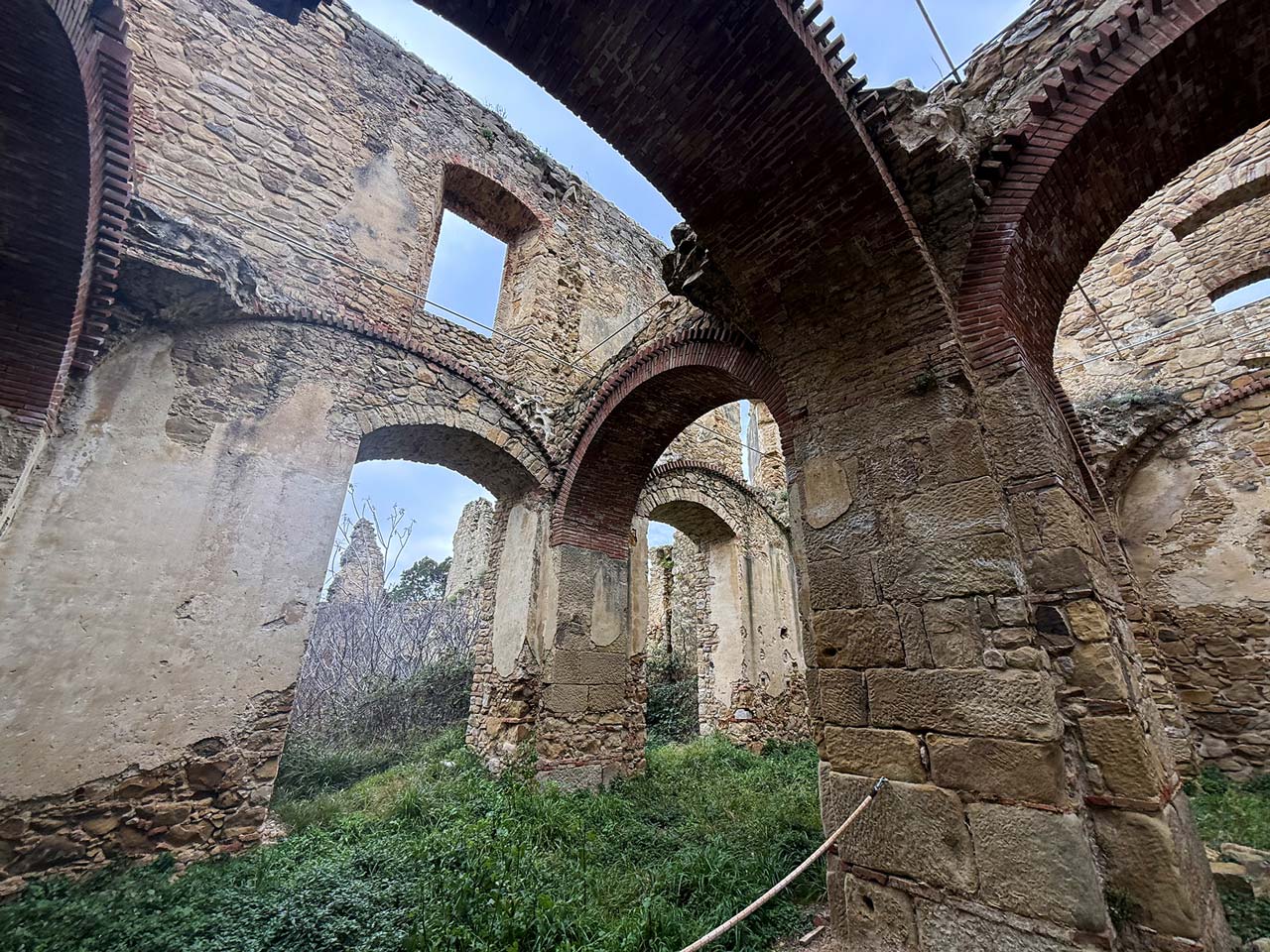
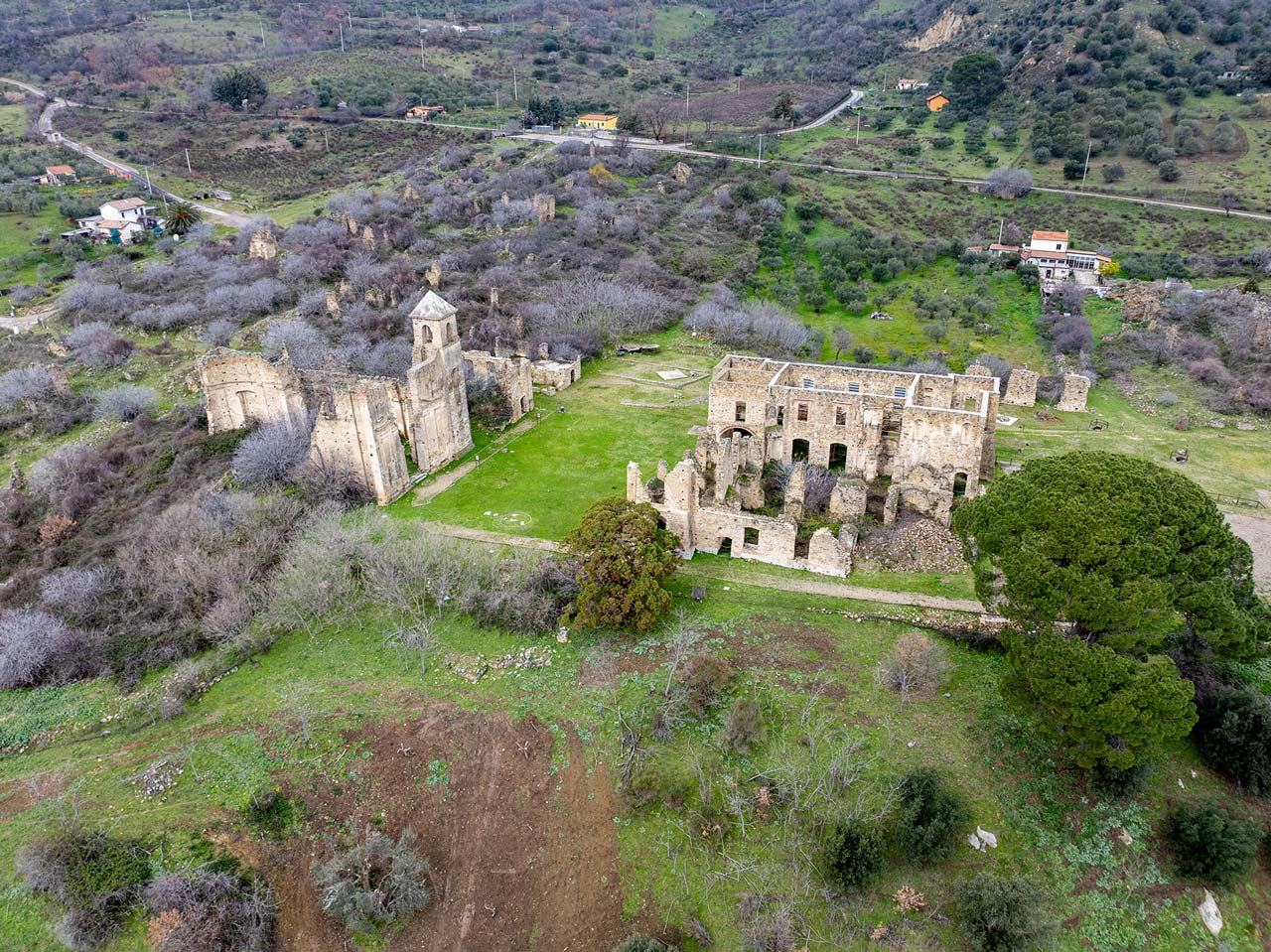
- Campomaggiore Vecchio: the ghost village, ruins left after the landslide of February 10, 1885.
Explore the grid-like urban layout, the ruins of Palazzo Rendina, the Church of Madonna del Carmelo, and Piazza dei Voti. - The new village of Campomaggiore: rebuilt higher up after the landslide, where residents continued their community life.
- Sculpture Park: contemporary art installations placed between the new town and the ruins of the old one.
The works, created by various artists, reflect themes of rural life and the human connection to nature. - Views of the Lucanian Dolomites: stunning landscapes including forests, valleys, and slopes, perfect for trekking or peaceful contemplation.
- Sunset walks among the ruins, where nature slowly reclaims abandoned places, offer a truly immersive experience.
WHAT TO DO
- Attend cultural events held in Campomaggiore Vecchio during the summer: performances, art installations, night-time storytelling, and shows like “La città dell’Utopia”.
- Go on hikes and excursions in the surrounding area: explore forests, trails, farmlands, and hamlets. These are moments of walking, nature, and photography—where you can reflect on the life that once filled these places and the transition from the “old” to the “new” village.
- Taste traditional cuisine: local dishes like le manate con la mollica (pasta with breadcrumbs), cutturidd (boiled sheep), and more.
- Visit the Sculpture Park, which offers both an artistic journey and a reflection on memory, time, and the relationship between people and the land, weaving together old and new.
- Immerse yourself in historical storytelling: take part in workshops, guided tours of the ruins, or narrative experiences among the remains. Reflect on the utopian dream that was once realized—then shattered. Join community celebrations during local festival days, if held.

campomaggiore7
campomaggiore6
campomaggiore5
campomaggiore4
campomaggiore3
campomaggiore2
campomaggiore1