
Among the calanchi and the ancient Rabatana district, Tursi is a tapestry of Arab and pastoral stories.
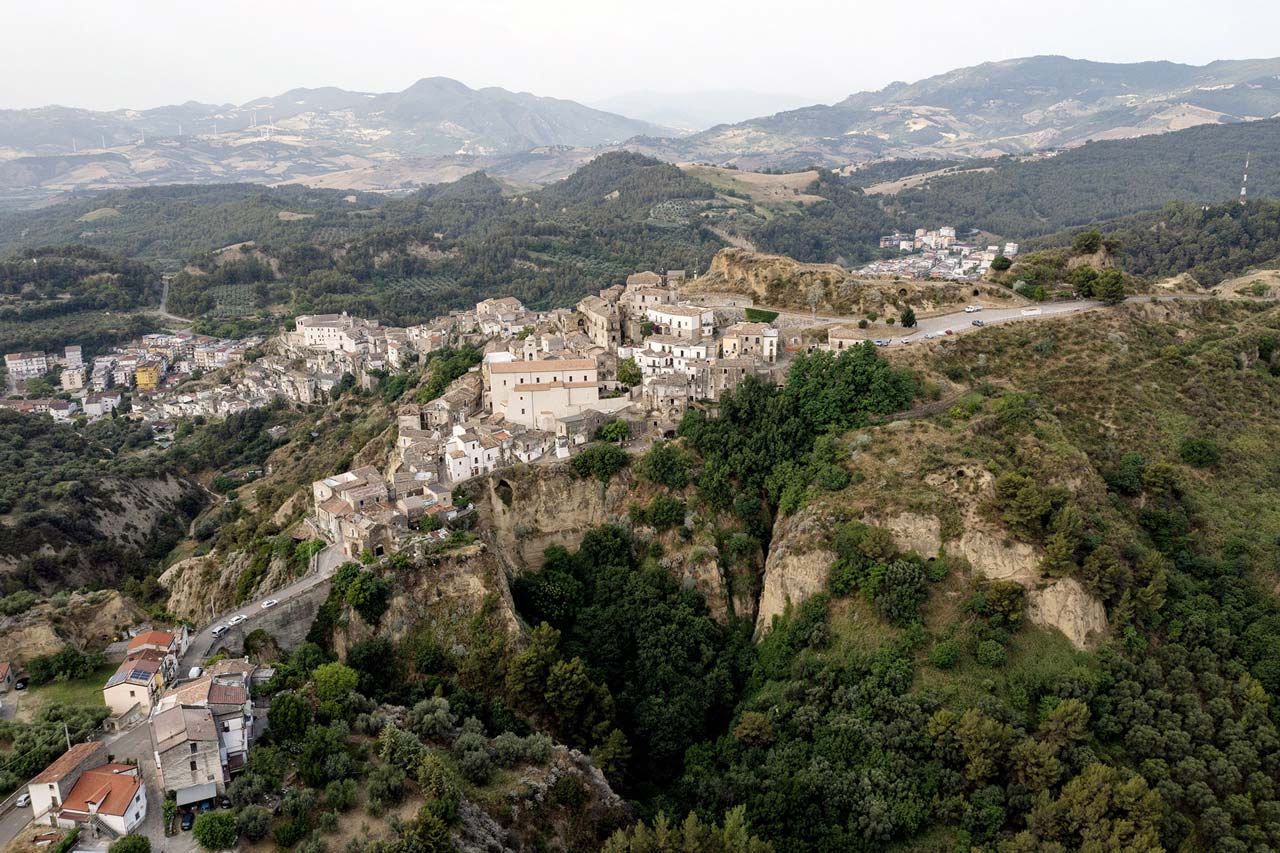
Tursi is a town in the province of Matera, Basilicata, spread across hilly terrain overlooking the valleys of the Agri and Sinni rivers. The elevation ranges from about 170 to 350 meters above sea level depending on the district, and in some areas, you can glimpse the Ionian Sea.
It is a village of ancient origins, with cultural layers that span from the Byzantine to the Norman period, up to modern times.
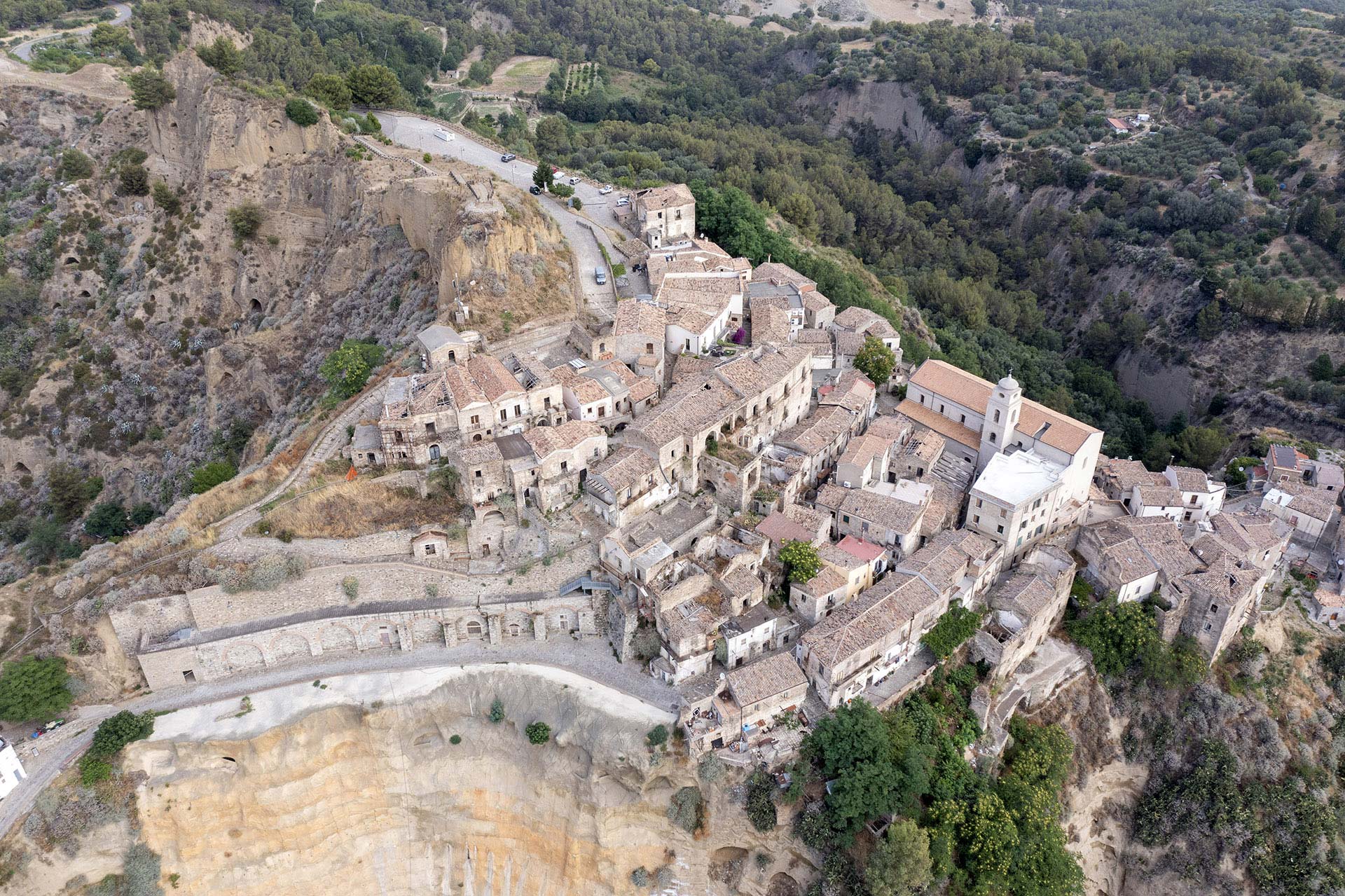
The historic center—Rabatana, the castle, the alleys—retains a strong identity, with squares, old churches, noble residences, and scattered archaeological remains throughout the territory.
This village is a meeting point of nature, history, and Mediterranean cultures, surrounded by olive groves, pastures, and woods, and deeply rooted in rural life.
TRANSHUMANCE IN TURSI
In Tursi, transhumance takes on a very concrete role: herds of cattle and sheep are seasonally moved between foothill areas and the hilly or wooded zones in search of better grazing lands.
Shepherds follow paths, mule tracks, and ancient local routes acting as smaller tratturi (sheep tracks), essential for animal migration.
The area surrounding Tursi and its districts is crossed at different times of the pastoral calendar, especially during the summer season.
The region is also home to the well-known “Transumanza Trekking”, organized by local operators (zirlio.it), which follows traditional routes once used by shepherds to move their herds.
Pastoral craftsmanship is part of rural life: cowbell making, iron or copper tools for livestock, containers, and hand tools.
Pastures, fountains, and watering spots across the districts are essential for both the animals and shepherds.
Even historic farmhouses and rural estates serve as temporary shelters during seasonal movements.
WHAT TO VISIT
- Sanctuary of Santa Maria Regina di Anglona, located on a hill at 263 meters above sea level, between the Agri and Sinni rivers.
A national monument of Basilicata, elevated to the status of minor basilica in 1999 by Pope John Paul II. - Cathedral of the Annunciation, in the town center, with a historic façade, ornate interiors, and architectural features blending medieval and Renaissance styles.
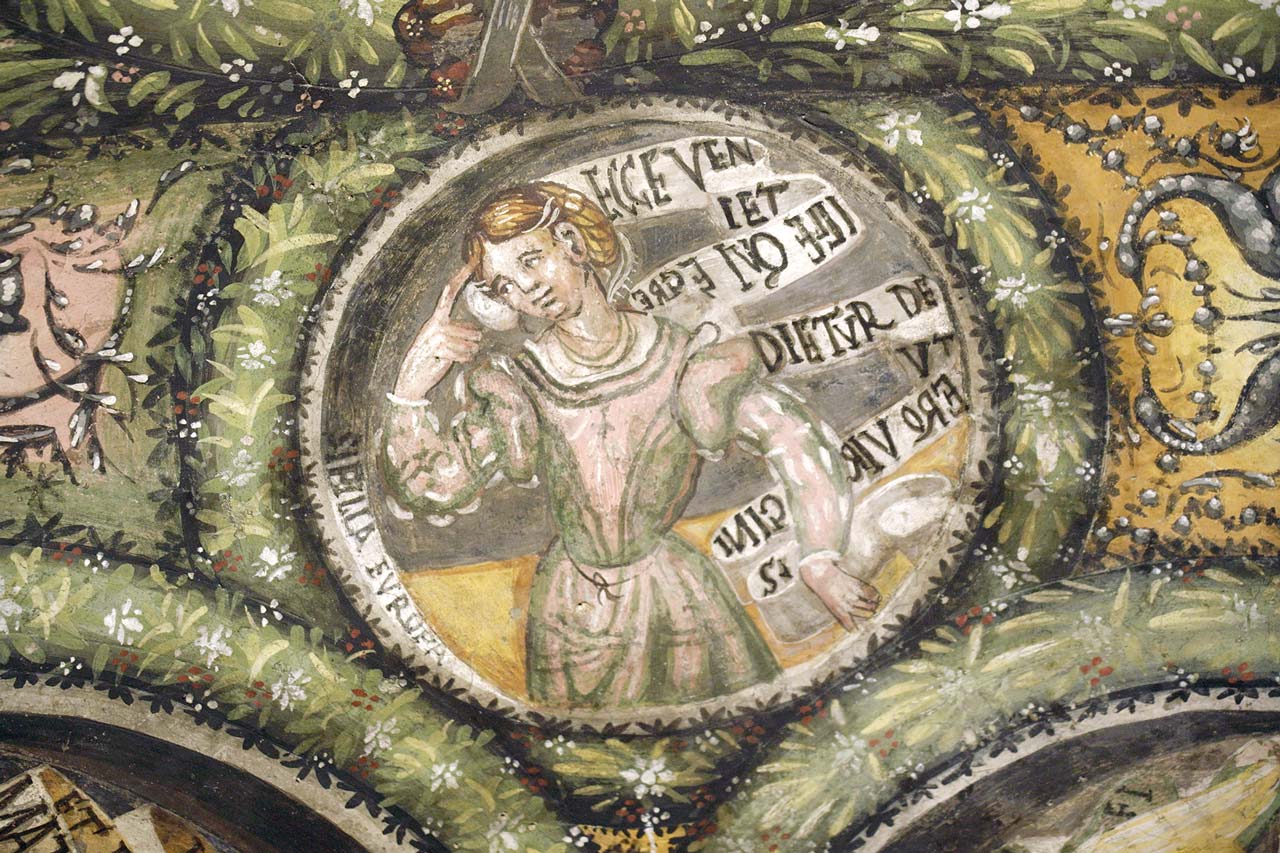
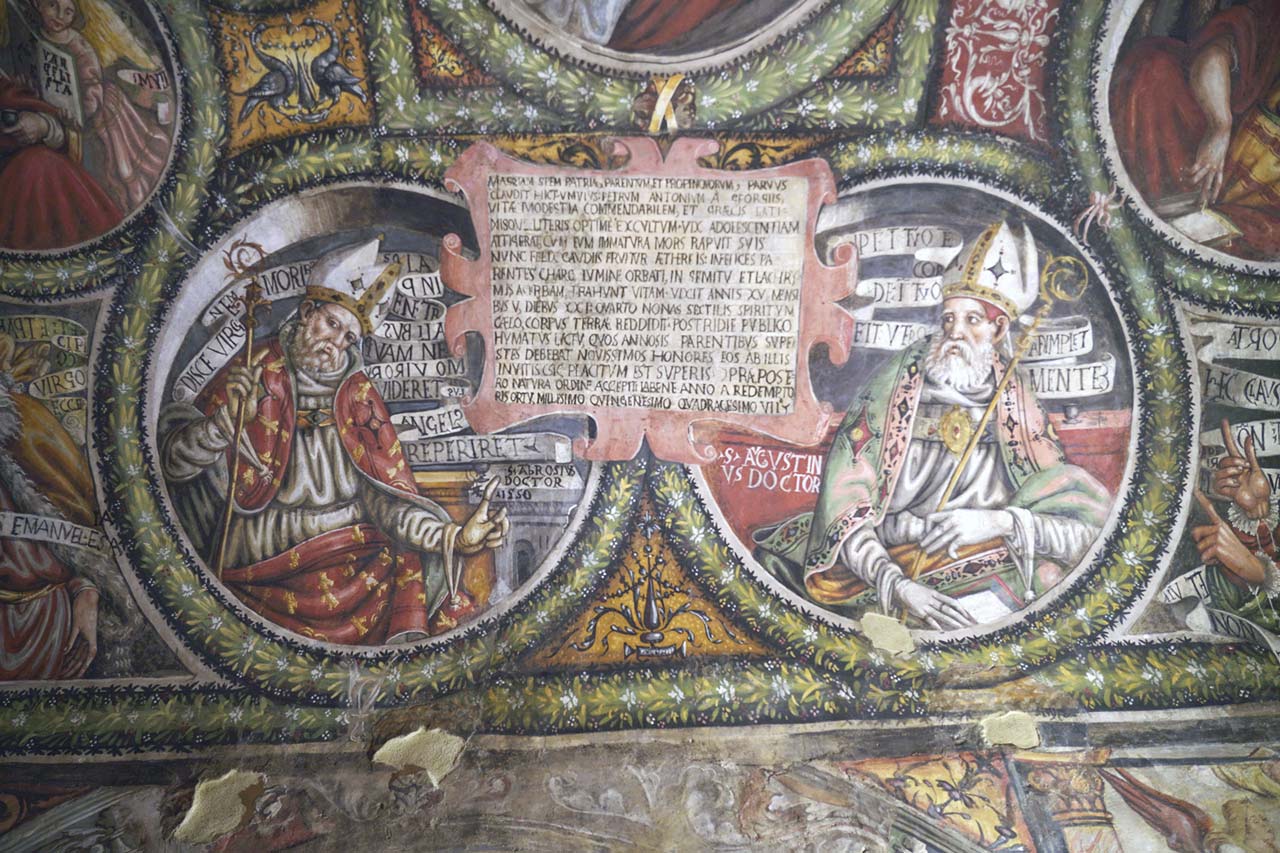
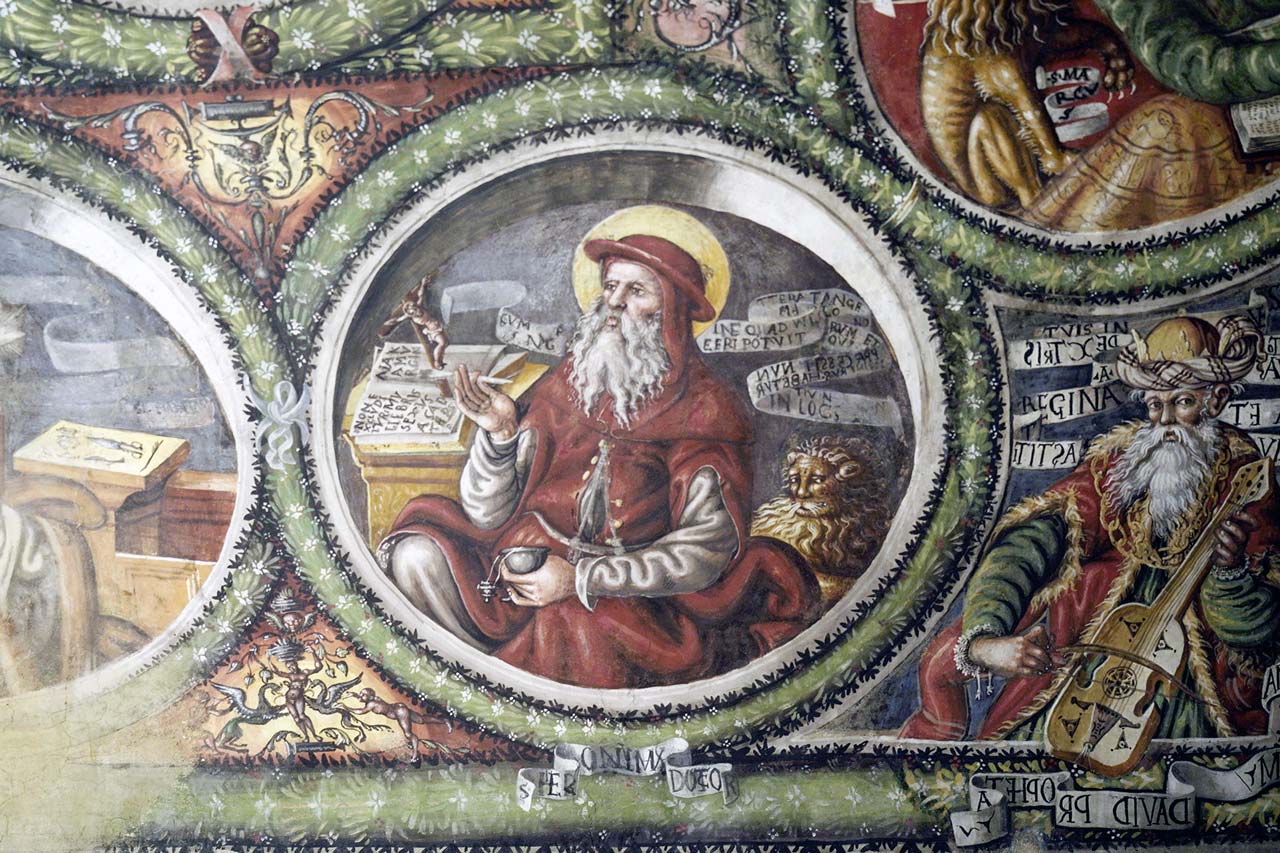
- Church of Santa Maria Maggiore, in the Rabatana district, with crypts, chapels, frescoes, and local sacred art.
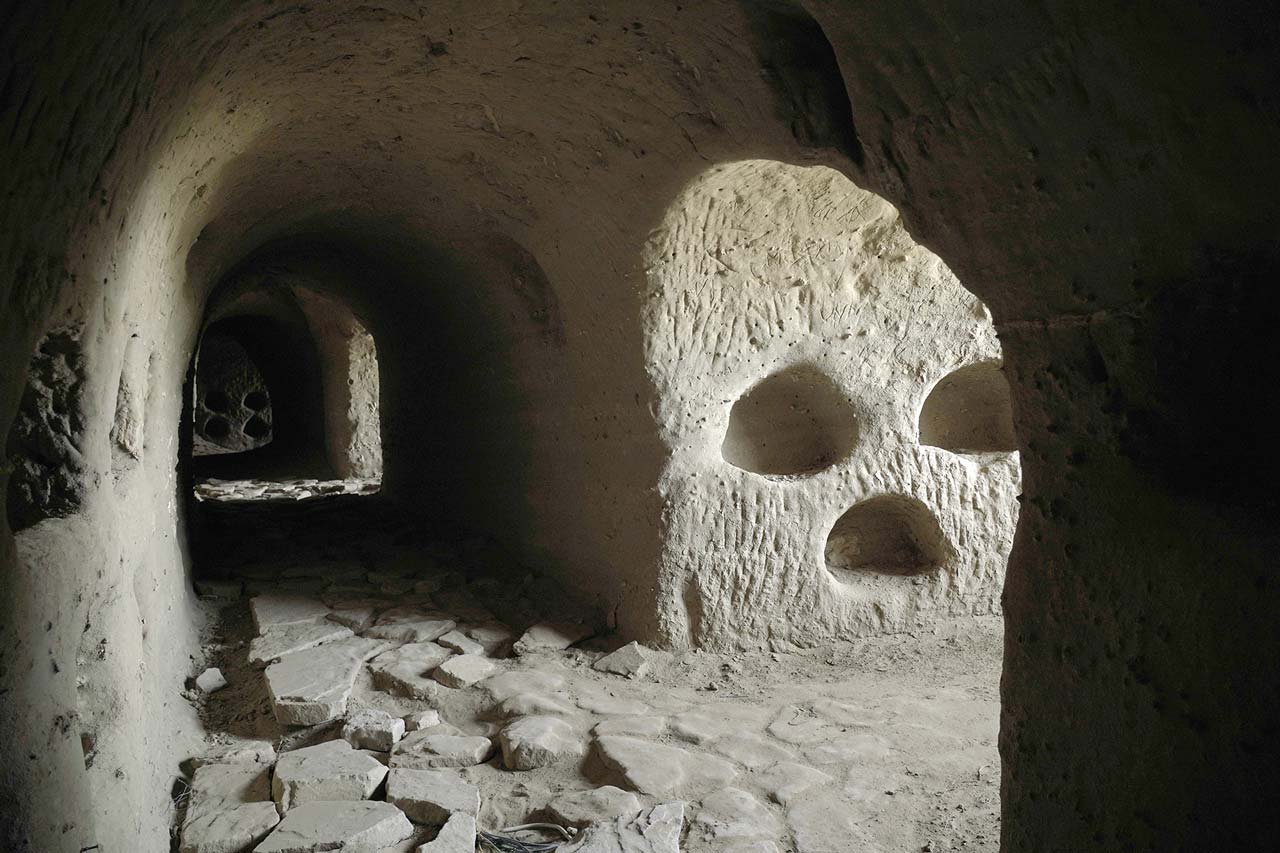
- Historic districts: Rabatana, San Filippo, and San Michele — with narrow alleys, stairways, panoramic views, remains of the old castle (though many elements are reduced, visible structures still tell of its defensive past), and the natural chasms (“fossi”) that define the area’s rugged terrain.
- Archaeological areas near Anglona: necropolises, ancient settlements, and prehistoric remains that emerge in the Sorigliano Valley and surrounding lands.
WHAT TO DO
- Join the Transumanza Trekking in the Tursi–Anglona area: a guided route along ancient tratturi, with local guides, stops in grazing areas, visits to the sanctuary, exploration of the calanchi, local nature, and water sources. (Zirlìo)
- Feast of the Madonna of Anglona: a yearly procession in which the statue is carried from the sanctuary to the cathedral, with pilgrimage, religious rituals, and popular devotion.
- Patronal festivals in Tursi: celebrations filled with religious rites, folk music, community gatherings, and local delicacies such as cheese, olive oil, and traditional dishes.
- Take part in local cultural events, pastoral craft workshops, rural festivals, and nature excursions in the surrounding area to meet herders and see animals grazing in their natural habitat.

tursi6
tursi5
tursi4
tursi3
tursi2
tursi1