Here, time beats to the rhythm of cowbells: the resonant symbol of transhumance and winter festivals.
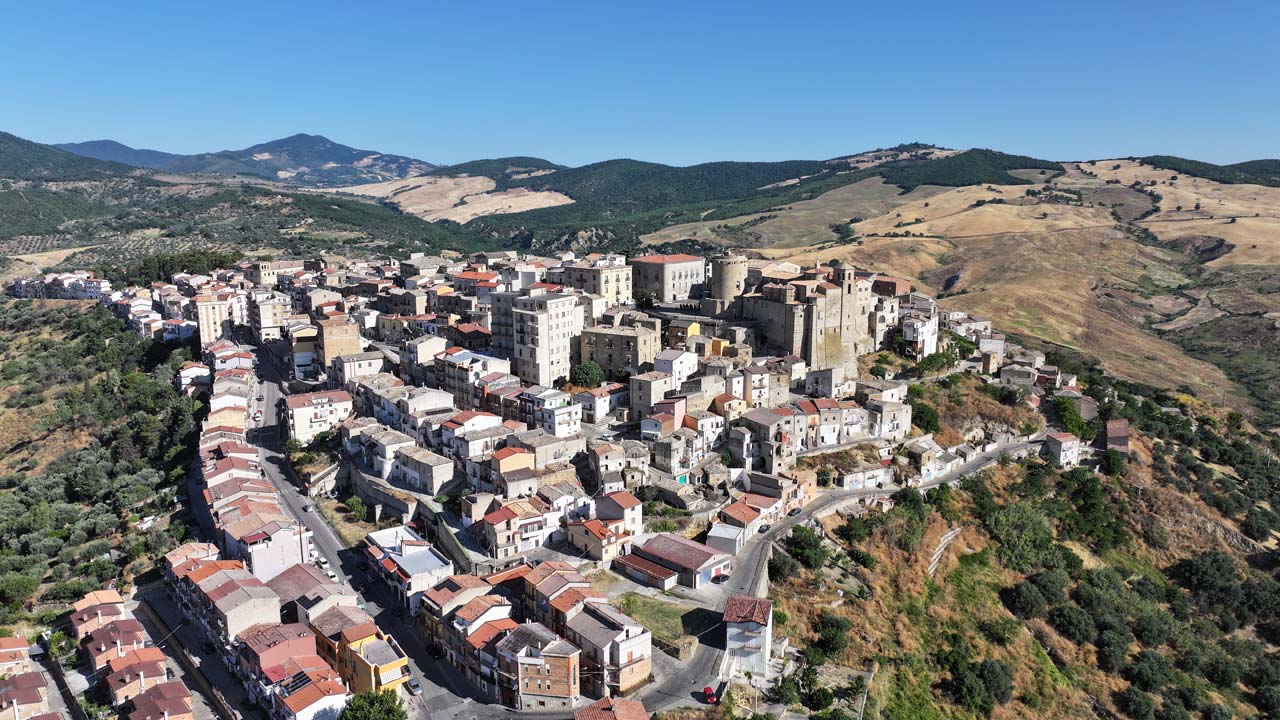
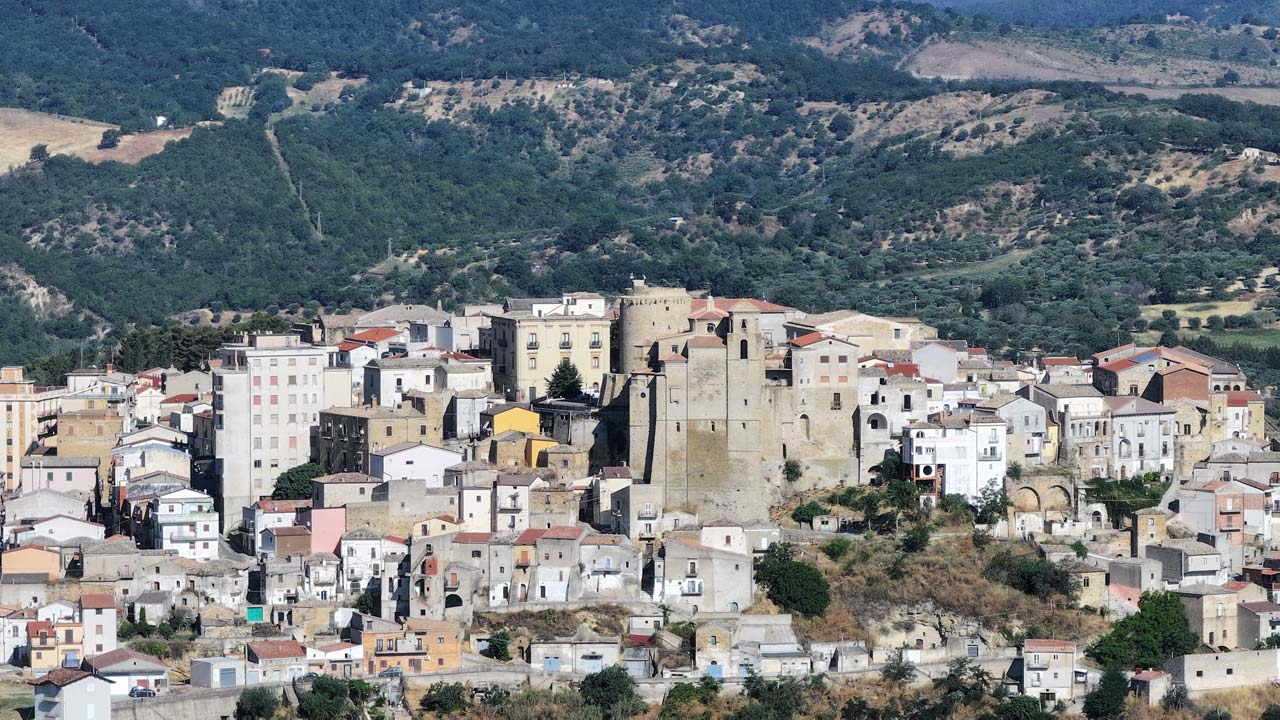
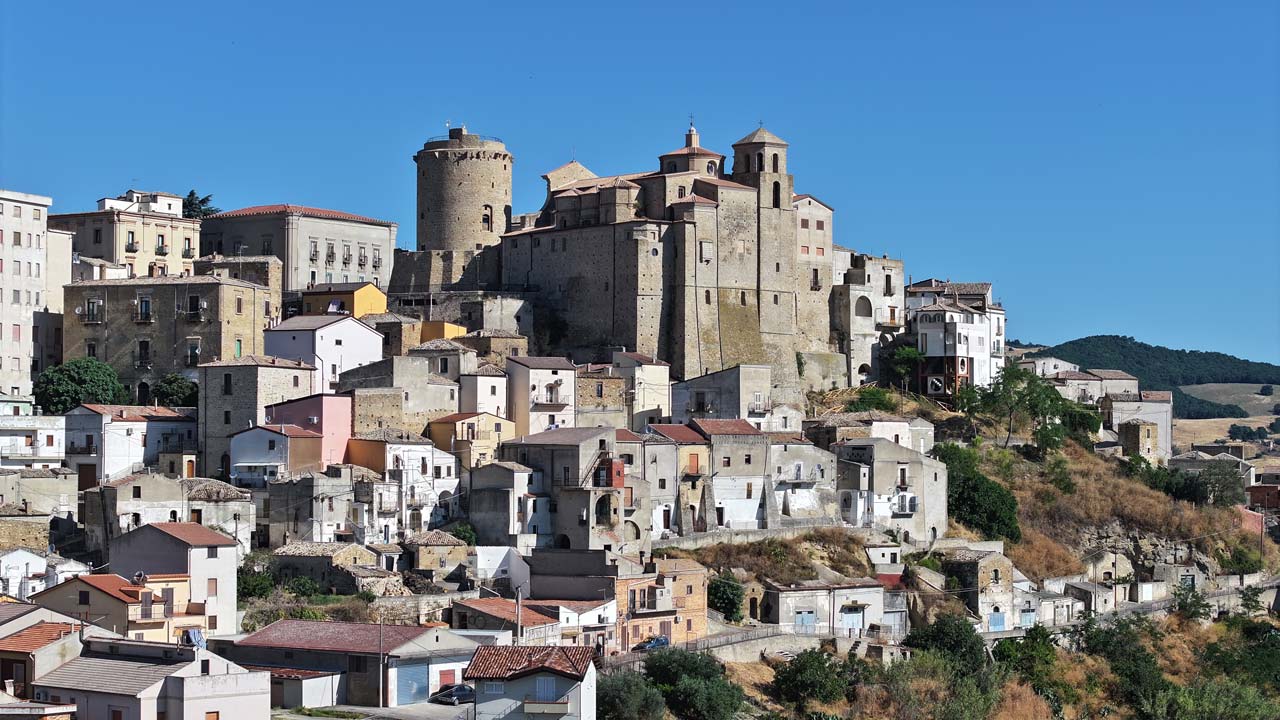
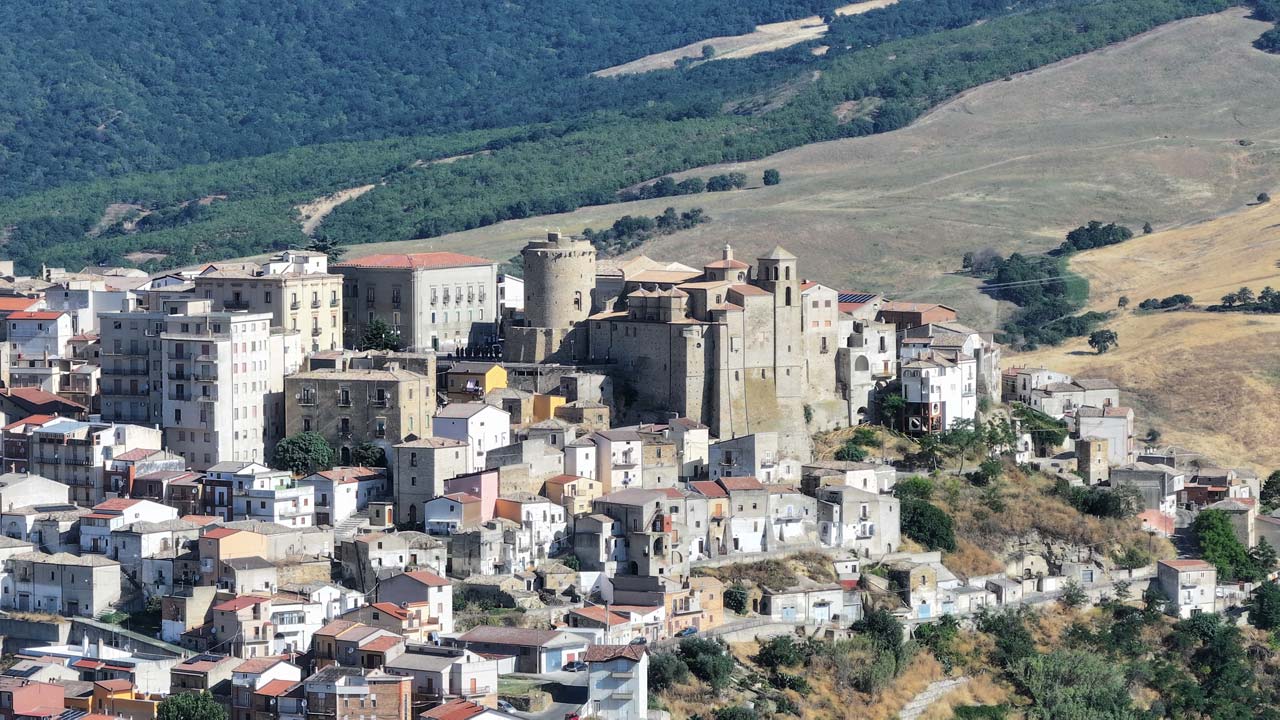
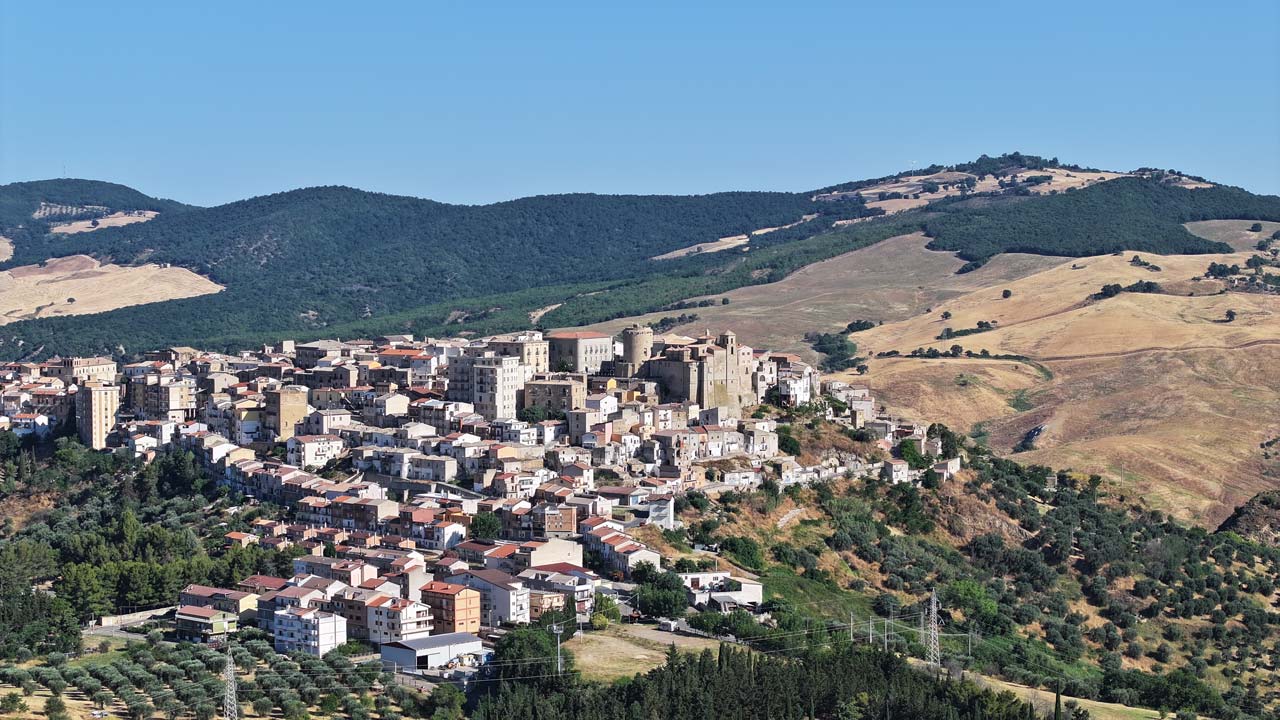
San Mauro Forte is a village in the province of Matera, Basilicata, located inland among hilly landscapes, woodlands, agricultural hamlets, and grazing lands.
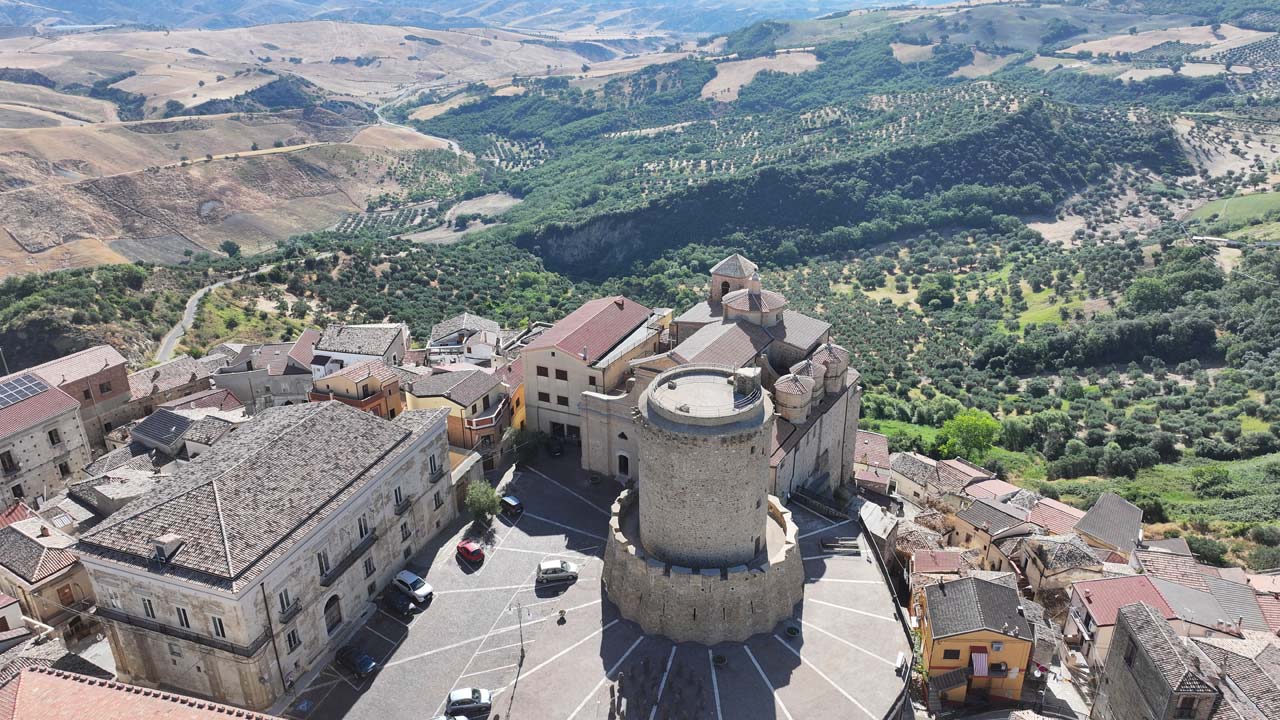
It is immersed in relatively untouched nature, with little urban development outside the historic center, abundant countryside, high terraces, wooded areas, and a community that holds firmly to its rural identity.
The elevations are not extreme, but enough to offer broad views, open skies, and quietness—a vivid contrast to the valley floors.
The village maintains a strong social bond with agriculture, livestock breeding, and pastoralism, as well as deep-rooted religious and folk traditions.
TRANSHUMANCE IN SAN MAURO FORTE
Transhumance plays a vital role here—both economically and culturally.
Herds of cattle and sheep are moved seasonally from lowland pastures to nearby uplands in the warmer months and return during the colder periods.
Pastoral craftsmanship is alive and well: above all, cowbells, but also tools, saddlery, wooden and iron items used in animal care.
The transhumance routes often follow local tratturi, ridge paths, mule tracks, and ancient trails that connect hamlets with grazing areas.
The town hosts the “Regional Transhumance Festival”, with events and ritual moments that bring together breeders, the public, and interpreters of pastoral culture.
Among the most renowned traditions is the Rite of the Cowbell (Campanaccio), which takes place on the eve of Saint Anthony the Abbot.
Men parade through the streets with massive cowbells, evoking ancestral rhythms and powerful sounds.
WHAT TO VISIT
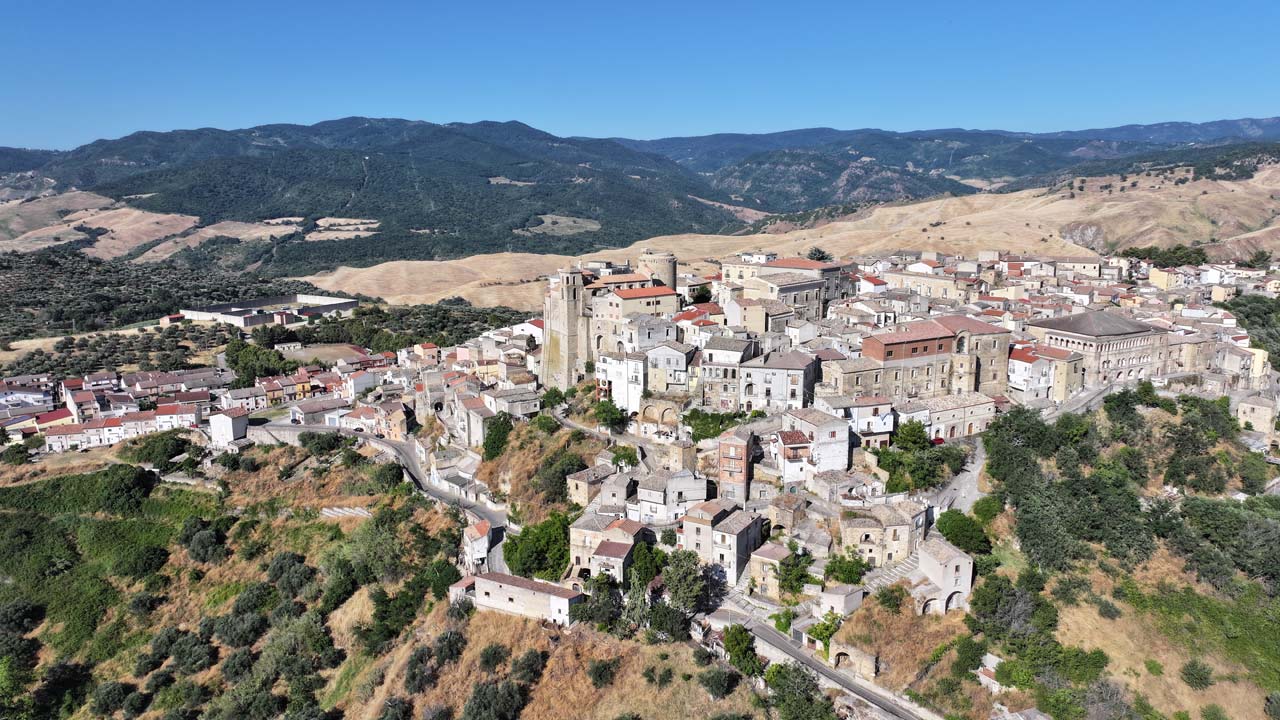
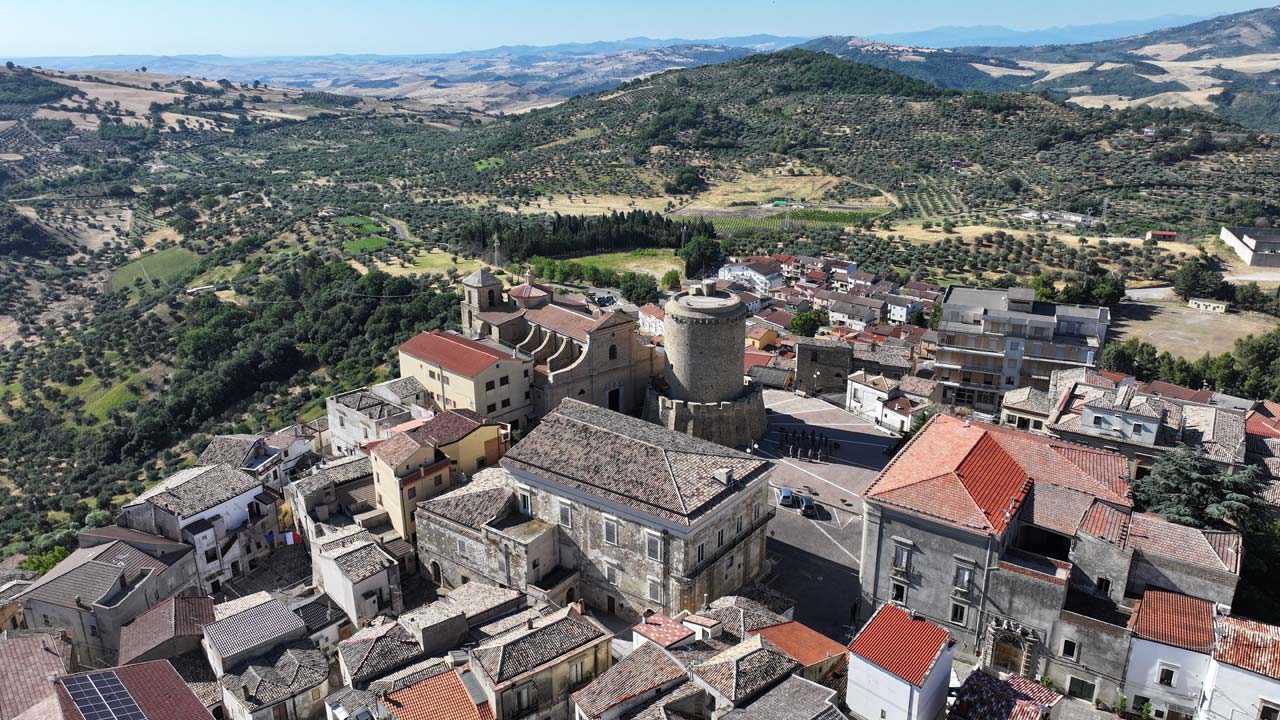
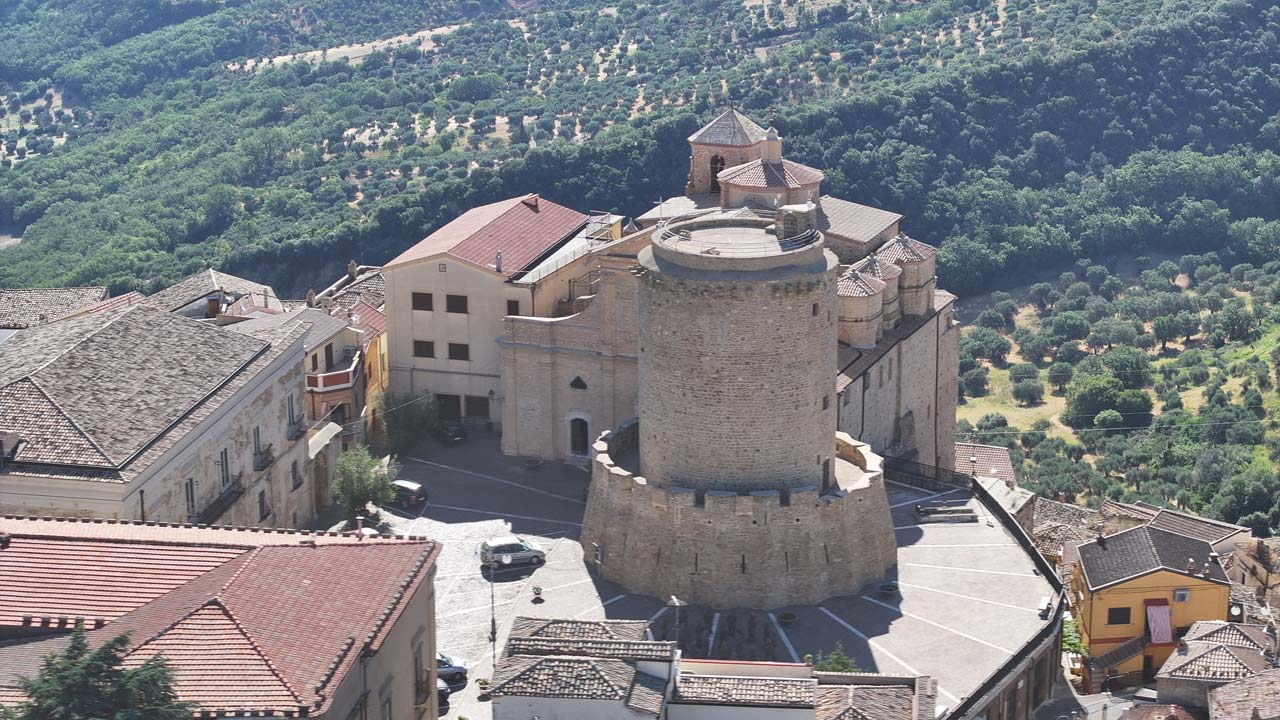
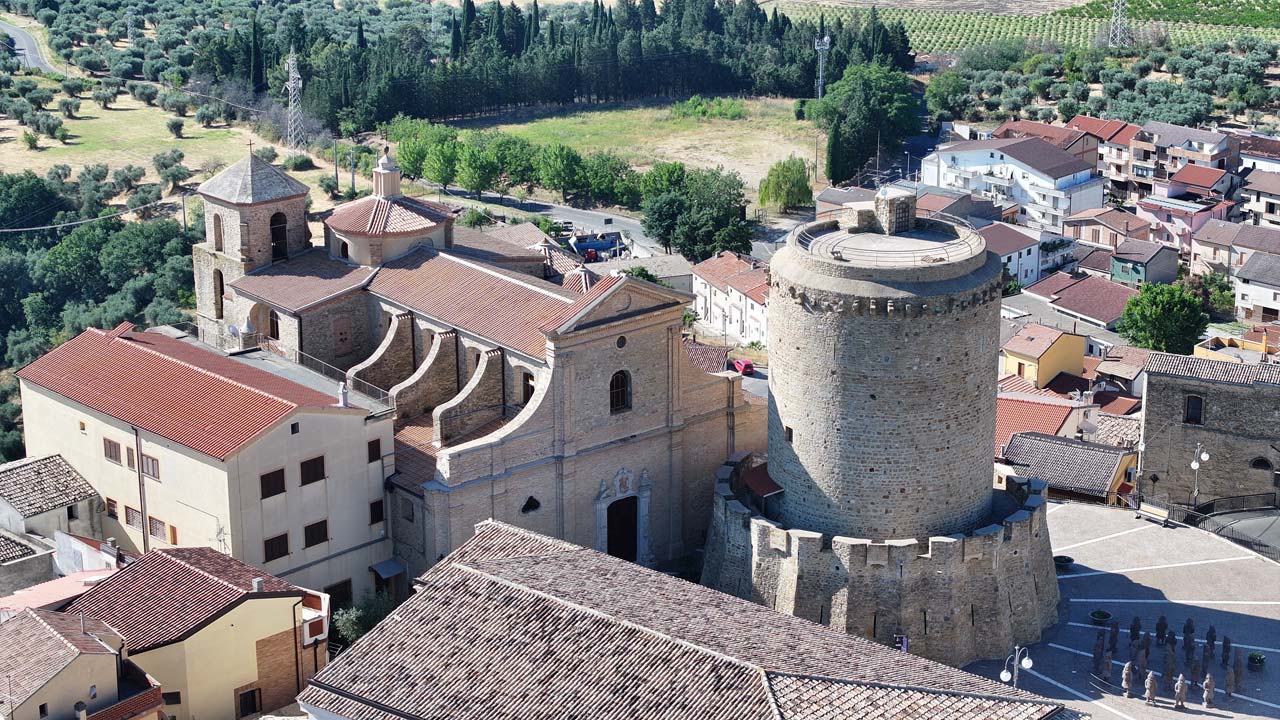
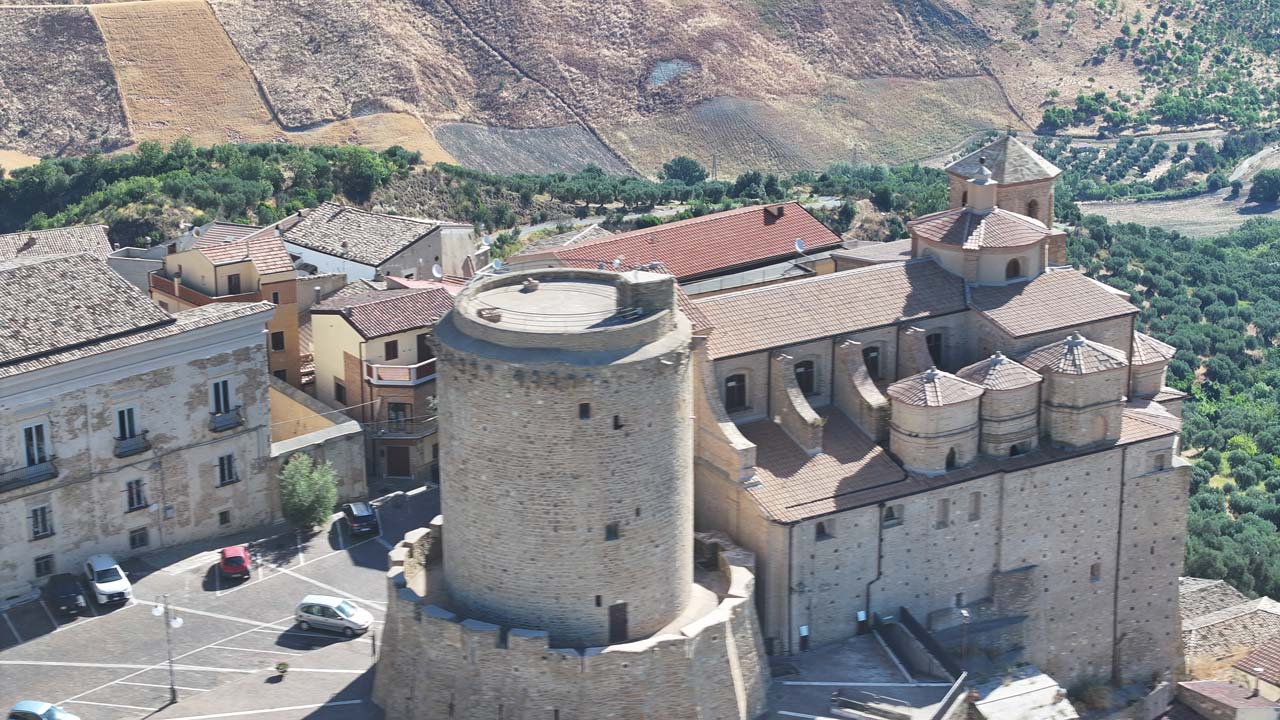
- The historic center, with ancient churches, small squares, rural architecture, and stone houses reflecting local traditions; scenic views over the countryside.
- Natural surroundings: forests, trails, and rural hamlets where you can witness transhumance in action—pastures, springs, and open land.
- Cultural events linked to pastoralism and agriculture: farmer’s markets, food stands with local specialties such as cheese, Lucanian veal, preserves, olive oil, and wines.
- Small museums or local exhibits showcasing pastoral objects, cowbells, tools, and oral traditions.
You may also come across fountains, panoramic lookouts, and hilltop views worth exploring.
WHAT TO DO
- Feast of Saint Anthony the Abbot (January 15–17): religious rites, the ritual slaughter of the pig, animal blessings, and processions.
The Rite of the Cowbell on the eve is a climactic moment, deeply symbolic and unique. - Transhumance Festival (June): a day dedicated to herders and the journey of the herds, with reflection, talks, tastings, music, and folk dancing.
- Summer agricultural fairs: exhibitions of farming machinery, practical demonstrations, and local product markets.
- Workshops and labs on pastoral crafts: making and repairing tools, cowbells, and rural gear.

san-mauro-forte-1
san-mauro-forte-12
san-mauro-forte-11
san-mauro-forte-10
san-mauro-forte-8
san-mauro-forte-7
san-mauro-forte-6
san-mauro-forte-5
san-mauro-forte-4
san-mauro-forte-3
san-mauro-forte-2