
A rural village where landscape and pastoralism meet, and transhumance is daily life.
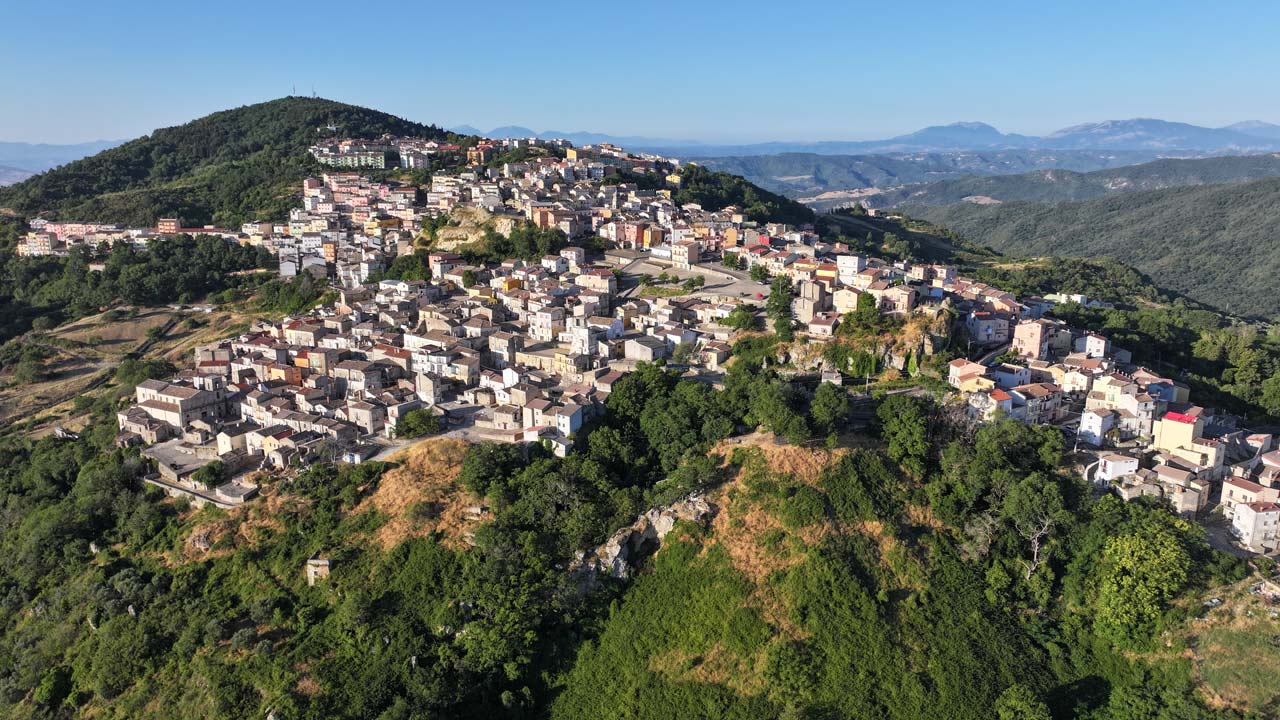
Stigliano is an inland town in the province of Matera, Basilicata.
It lies on hills overlooking rural panoramas, woodlands, and pastures, with a landscape deeply marked by agriculture and pastoral traditions.
The population is relatively small, and social life preserves local customs, traditions, and close-knit community ties.
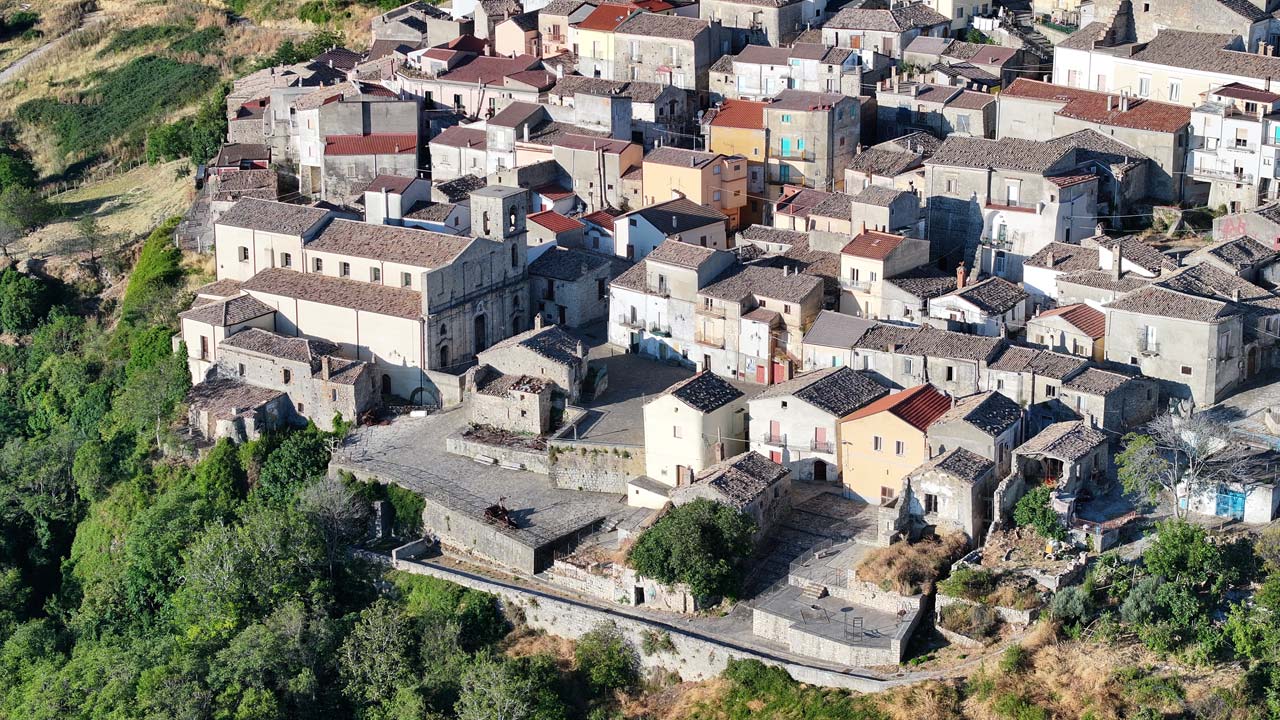
Typical architecture includes stone houses, narrow alleys, parish churches, and scenic viewpoints across the surrounding countryside.
TRANSHUMANCE IN STIGLIANO
Pastoral tradition runs deep in Stigliano.
Flocks of sheep and herds of cattle move through hamlets, woods, and trails that connect higher pastures with lower ones.
Although transhumance here doesn’t attract a large tourist flow, the practices are still alive:
shepherds moving flocks, shared grazing lands, local tratturi (though they may not always be called that), and the continued use of mule tracks and historic paths for moving livestock.
There are also small-scale traditional dairy productions, including pecorino, ricotta, and aged cheeses, closely tied to local breeding activities.
Craftsmanship includes the production and repair of cowbells, shepherd tools, and wooden or metal objects used in rural life.
WHAT TO VISIT
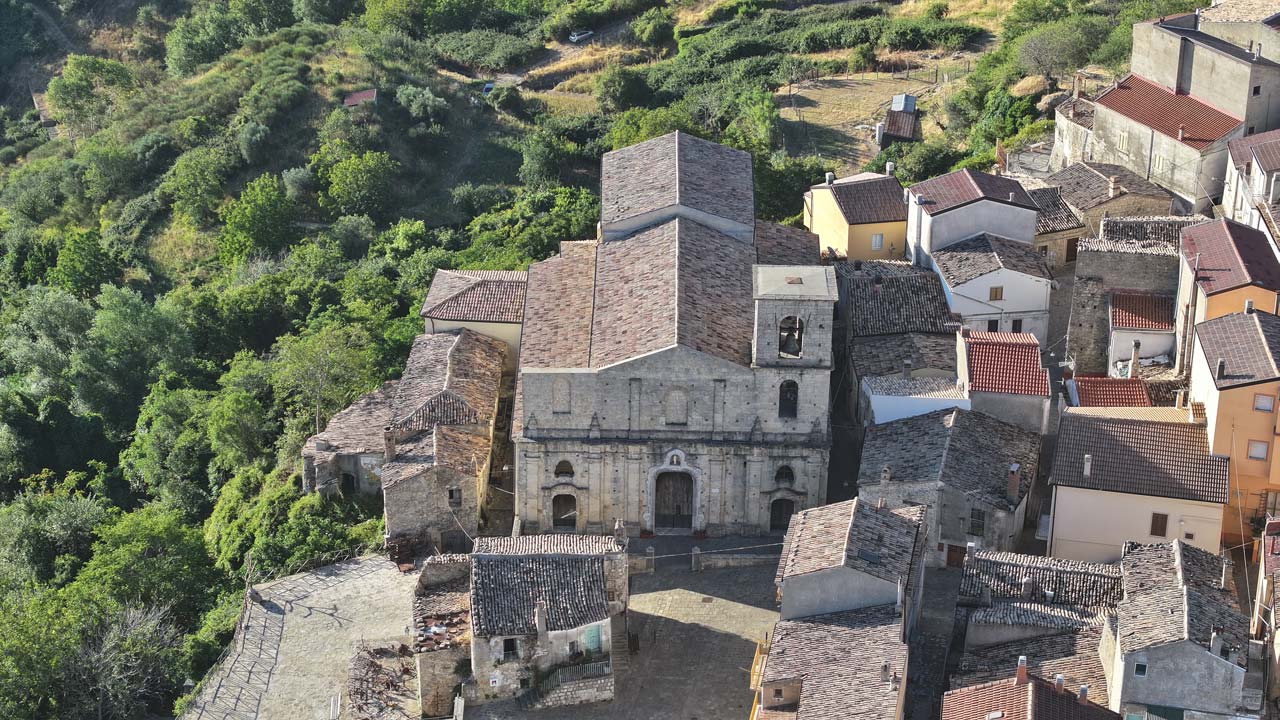
- The historic center of Stigliano, with its parish church, main square, stone houses, and narrow, authentic alleys offering views of the surrounding countryside.
- Natural areas: woods, hills, and scenic views over nearby valleys; trails around the village ideal for walks—especially at sunrise or sunset.
- Local farms, agricultural businesses, and dairies: offering visits and tastings of typical pastoral products such as fresh and aged cheeses, and dairy goods.
- Religious events or small local museums (where present) that preserve the rural history and memory of the area through objects, photographs, and documents.
WHAT TO DO
- Attend the patronal festivals of Stigliano: religious celebrations with processions, Masses, community gatherings, music, and food.
- Interact with shepherds: opportunities to see livestock being guided to pastures, spend rural nights in farmhouses or country homes, and experience the silence of the countryside.
- Join local summer or autumn festivals celebrating pastoral products like cheese, meat, ricotta, and honey.
- Take part in nature excursions, trekking routes, or country walks along historic paths once used for transhumance.
Along the way, observe minor tratturi, listen to local legends, and discover the living memory of these ancient routes.