The town of masks and the rhythm of cowbells. A place where tradition is a living, daily culture.
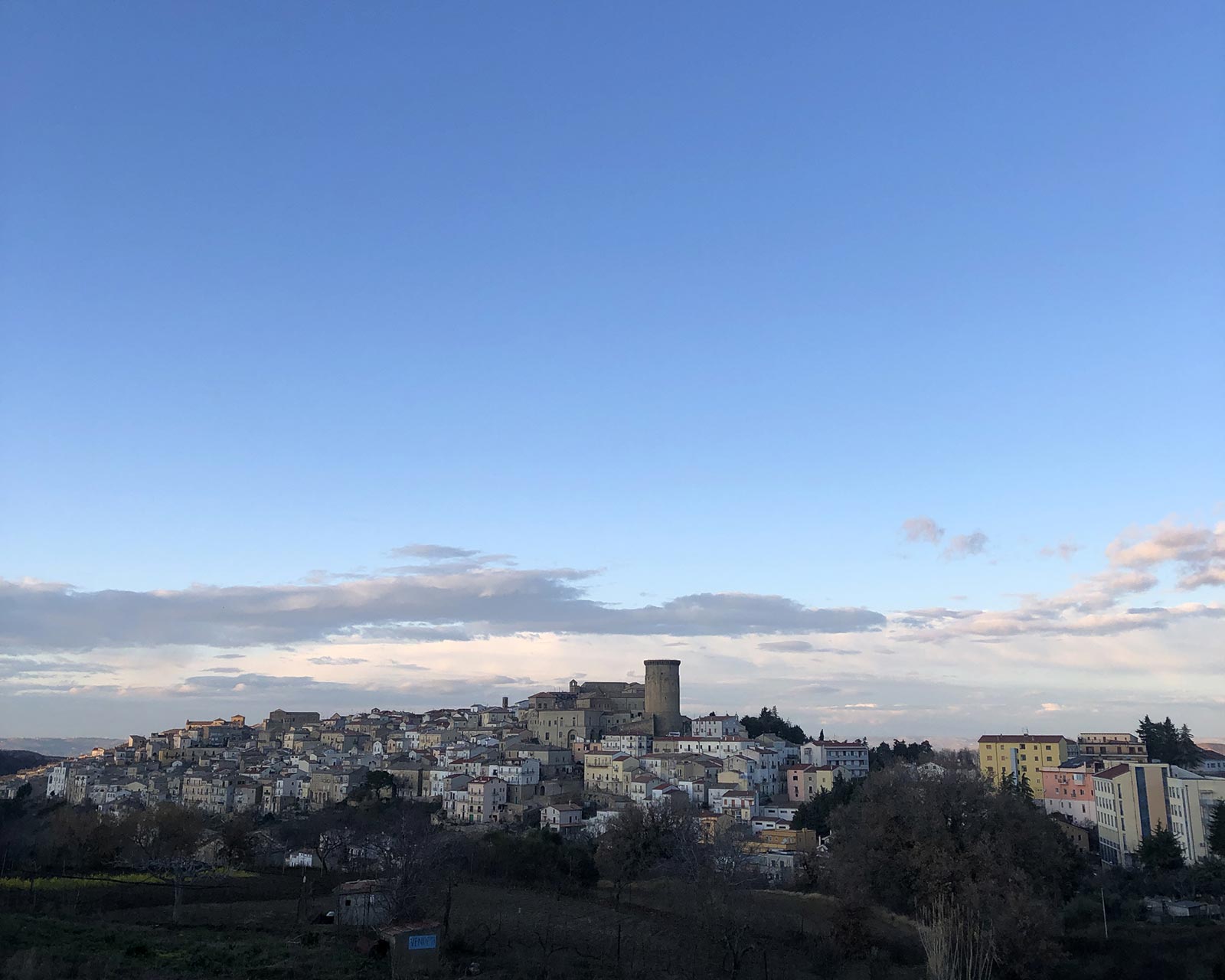
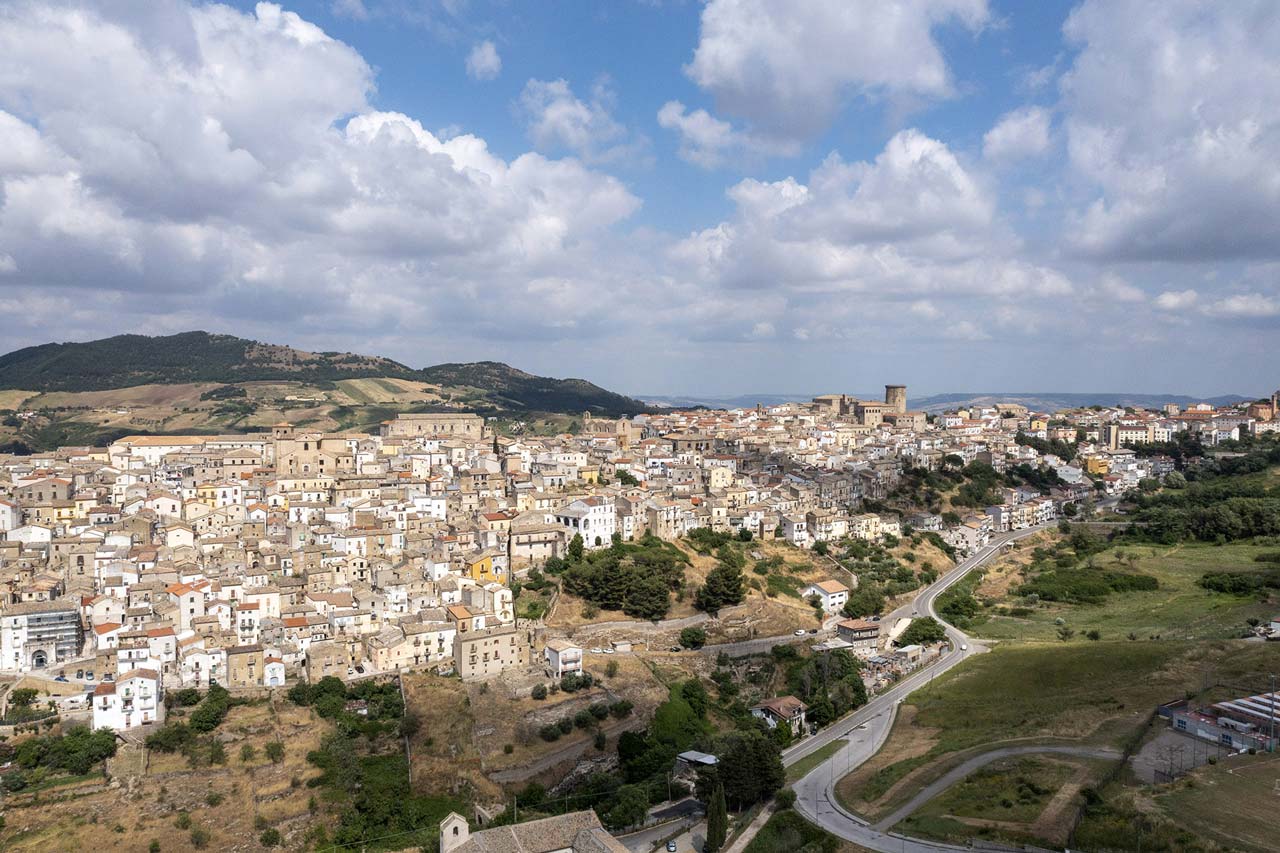
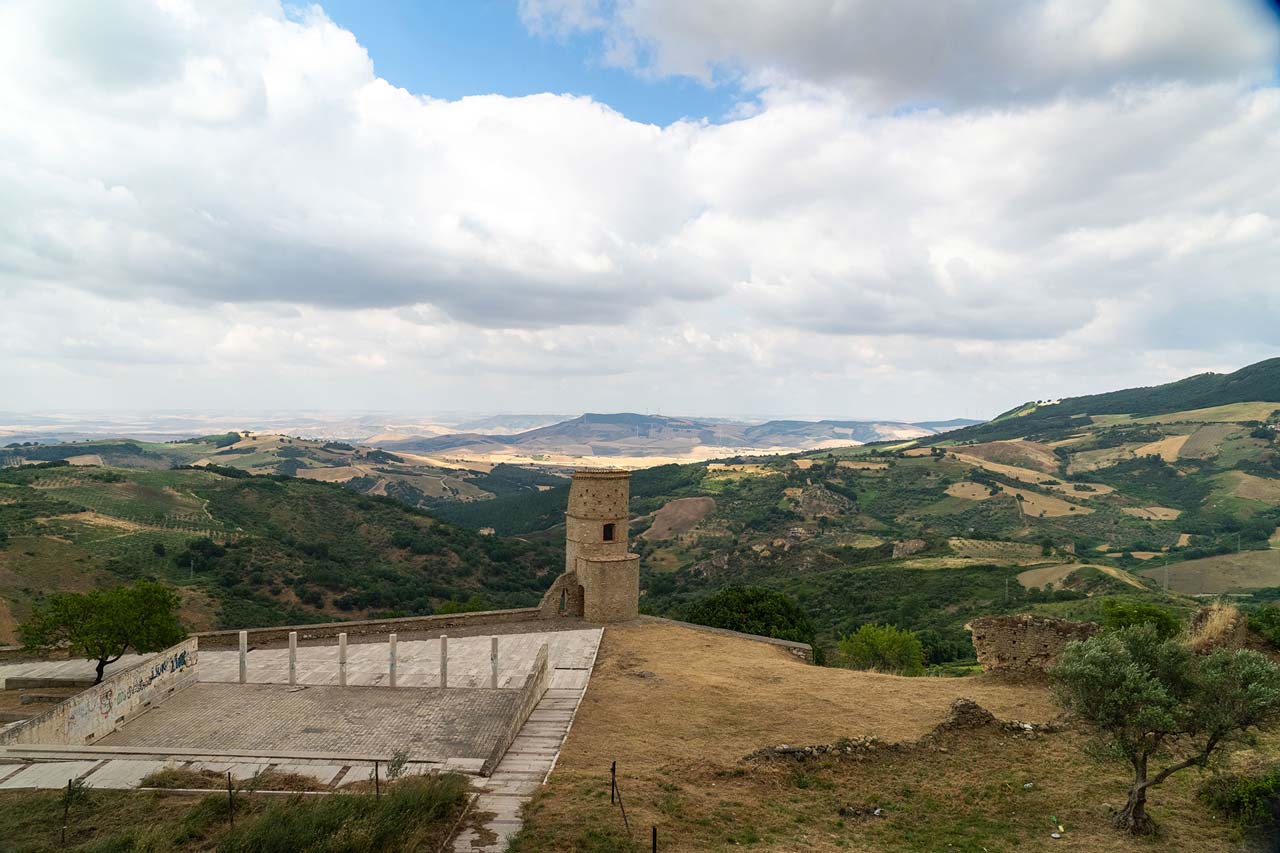
Tricarico is a village in the province of Matera, Basilicata, located at about 698 meters above sea level. It is an Arab-Norman town with one of the most beautiful and well-preserved historic centers in the region. The village stretches across three hills: the Civita district, the Ràbata, and the Saracena, featuring medieval alleys, towers, ancient gates, noble palaces, and historic churches. The urban fabric, morphology of the center, Norman towers, and surrounding walls reflect centuries of cultural layers—from the Lucanian age through Roman, Byzantine, Arab, Norman, and Aragonese influences. Tricarico lies between mountain landscapes, woods, and pastures, with vast rural areas that retain a strong agricultural and pastoral identity.
TRANSHUMANCE IN TRICARICO
Transhumance is an integral part of Tricarico’s economic and cultural life.
Agricultural activities include extensive livestock farming, especially of Podolic cattle, which follow ancient sheep tracks, using forests and pastures for summer and winter stops.
Shepherds preserve ancient techniques for calling the herds (whistles, cowbells, vocal calls), especially activated at dawn during migration days.
The sheep tracks in the area may be lesser-known than the main historical routes, but districts like “Tre Cancelli,” “Mantenera,” and “Fonti” are essential stops for the herds.
The Tratturo del Basento, in its branches, descends into wooded zones and pasturelands.
Moreover, Tricarico’s artisanal traditions are deeply tied to copper work, cowbell production, and wool weaving for shepherds’ clothing—material elements that accompany the pastoral ritual.
WHAT TO VISIT
- he historic center, including the Ràbata and Saracena quarters: Arab-style alleyways, ancient gates, angled architecture, and winding paths that recall its Arab-Norman medieval structure.
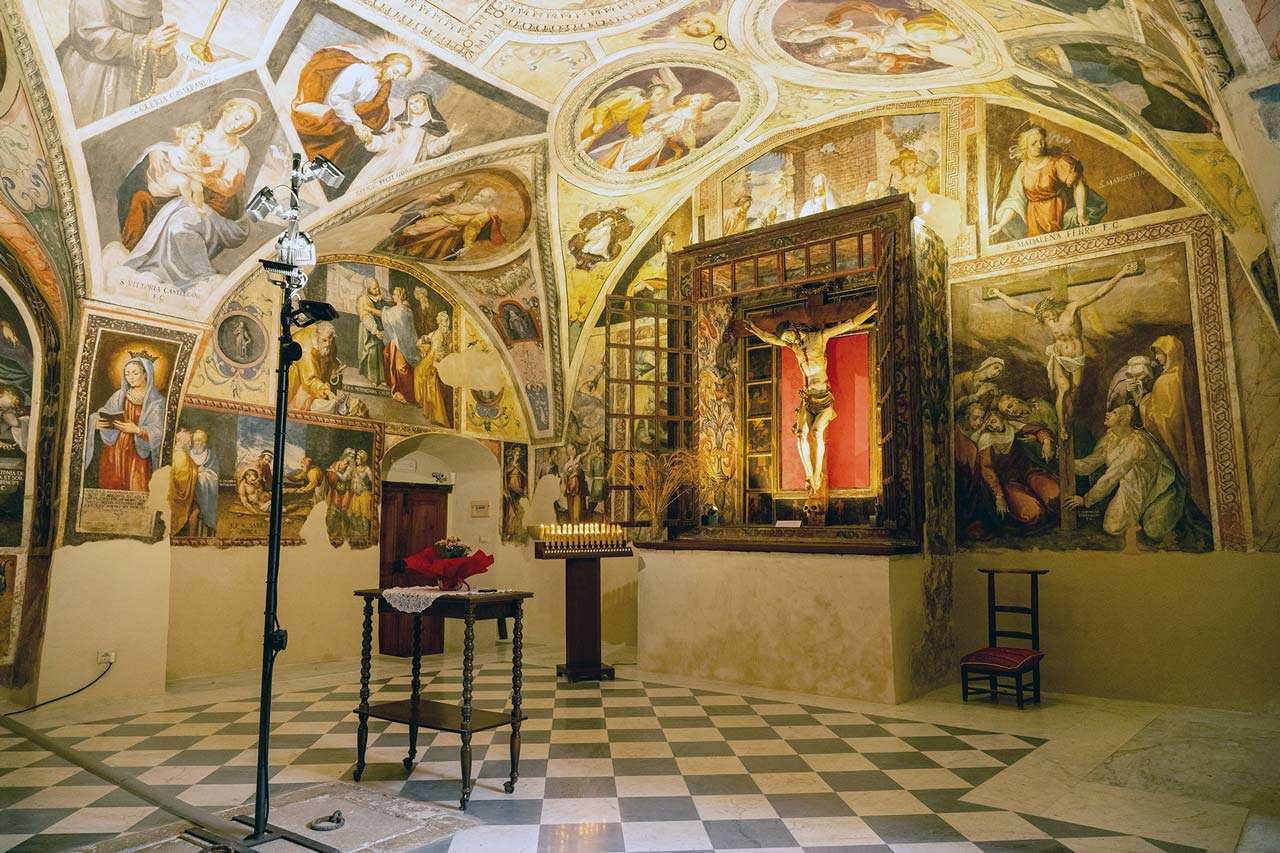
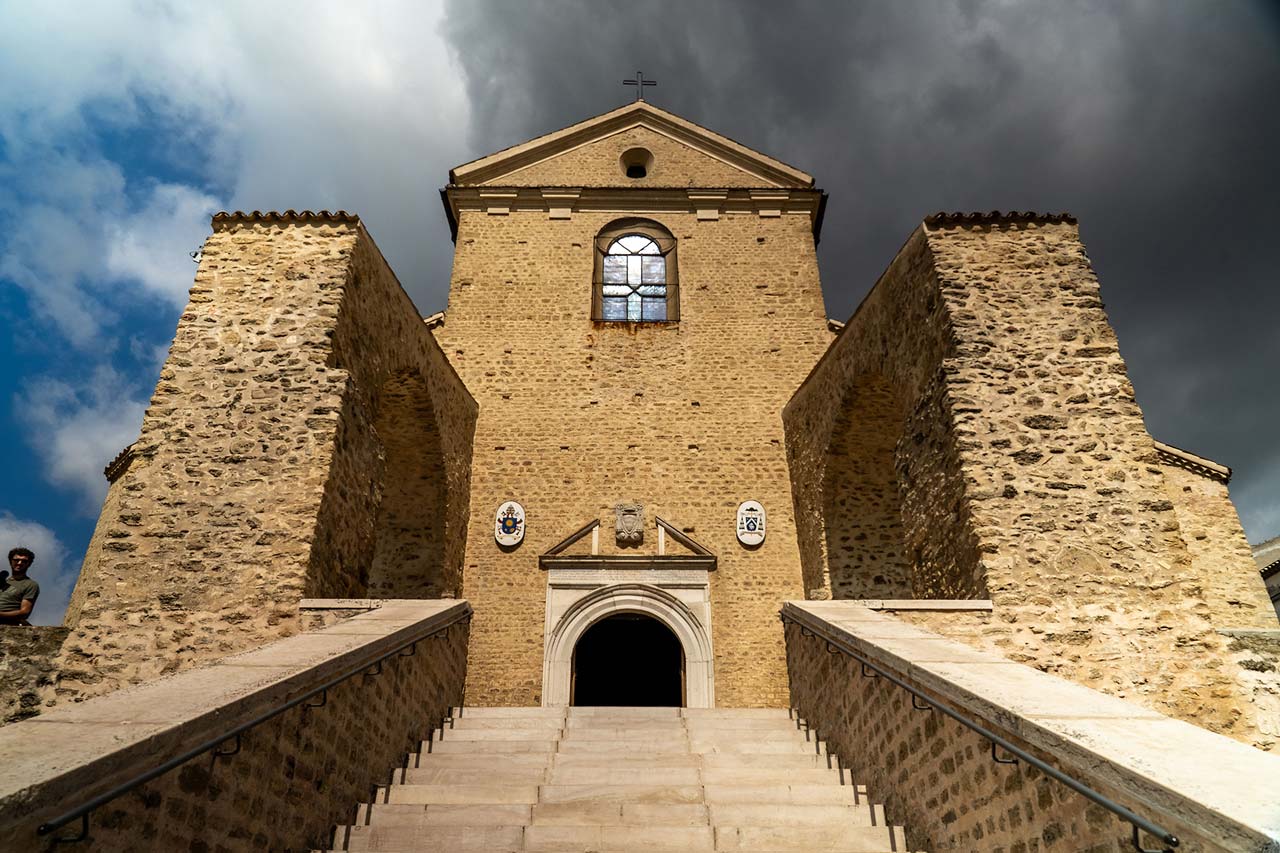
- The Cathedral of Santa Maria Assunta, of Norman origin, with Gothic and late Gothic features, richly decorated interiors, and significant sacred artworks.
- The Municipal Archaeological Museum and archaeological sites of Serra del Cedro, Civita, and Calle: evidence of Lucanian, Roman, and early Christian ages — villas, baths, mosaics.
- Church and Convent of Santa Chiara, and other religious buildings such as San Francesco and Convent of the Carmine, each offering panoramic views of the surrounding woods and valleys.
WHAT TO DO
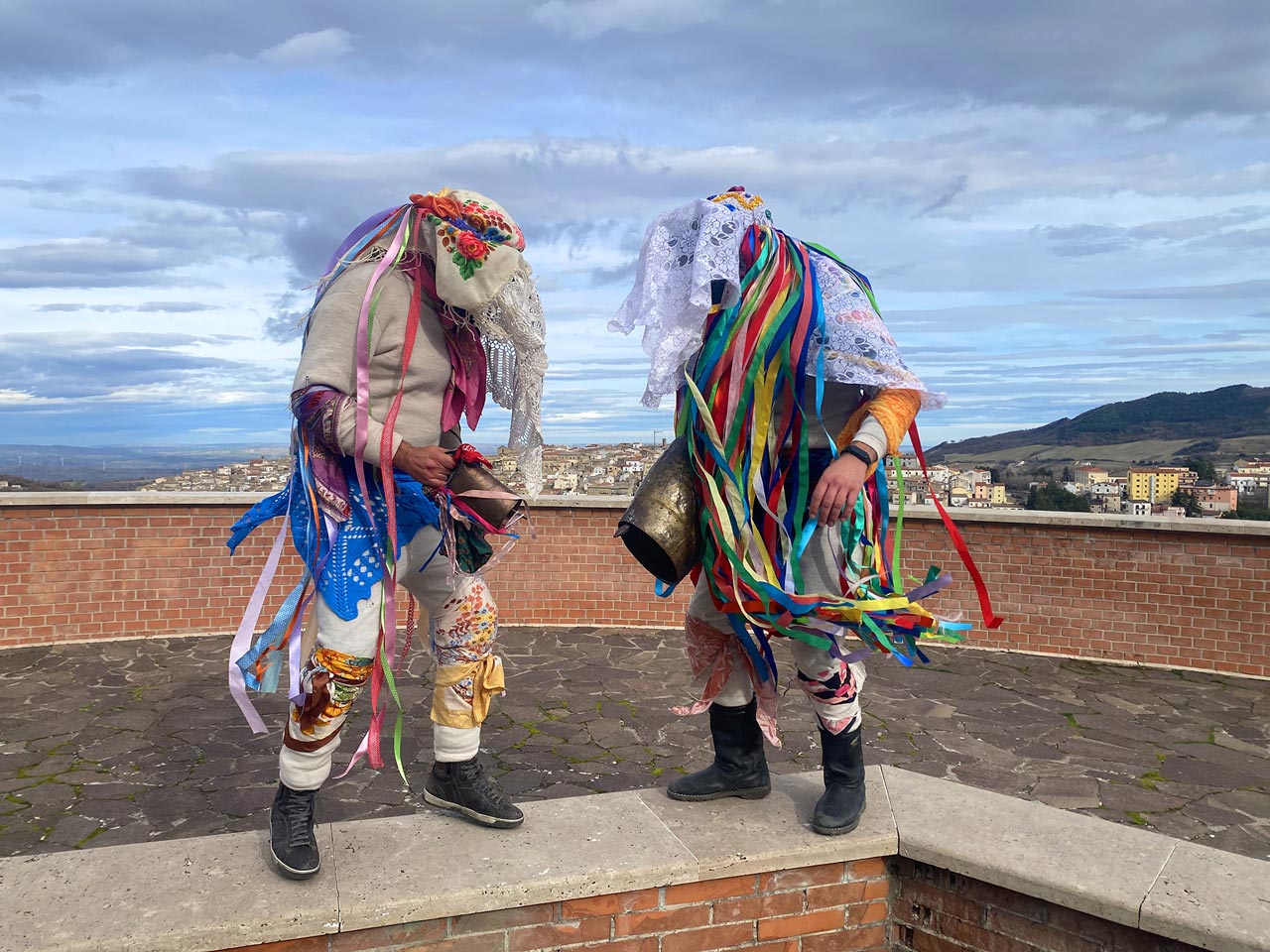
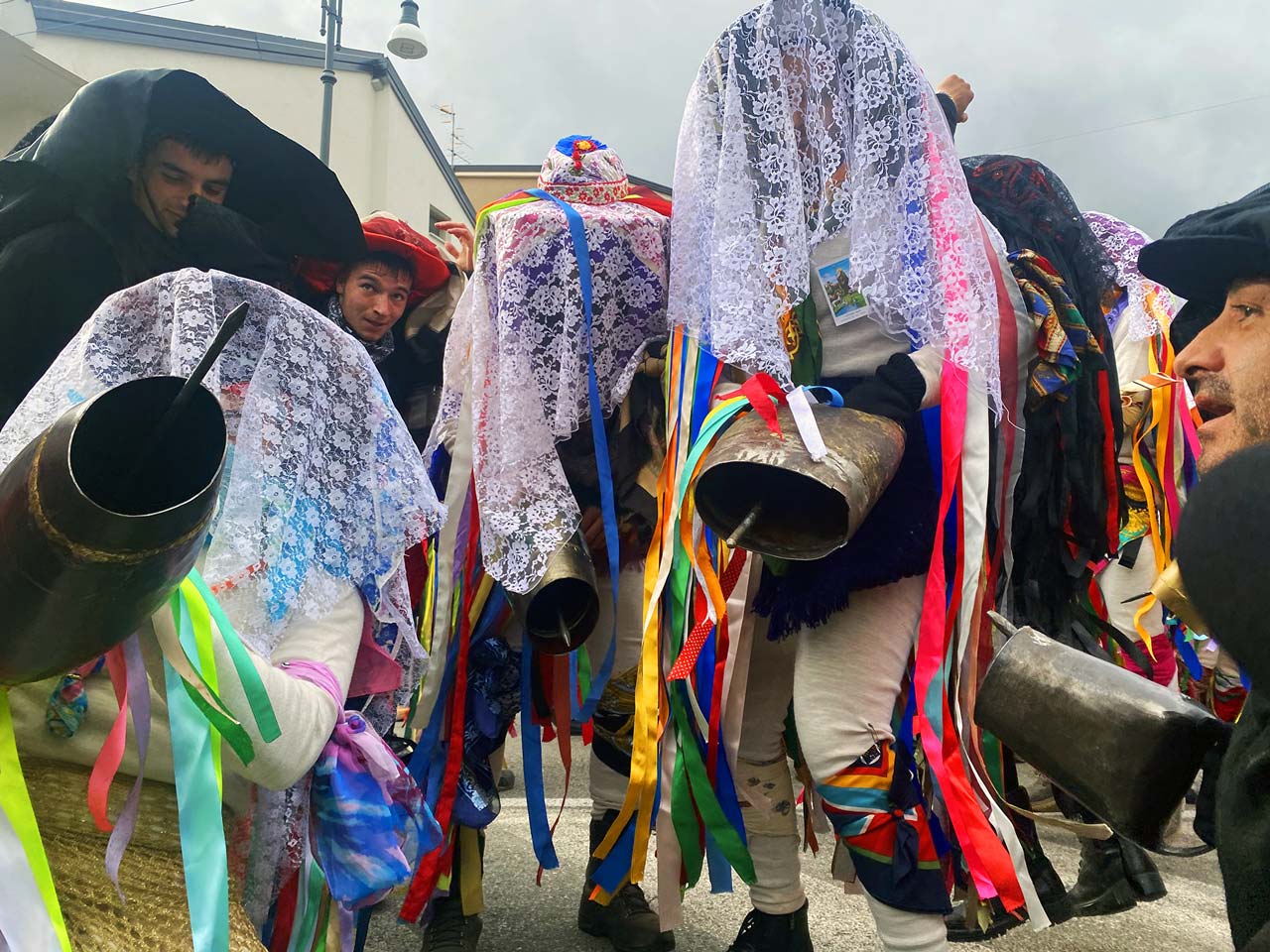
- Tricarico Carnival: one of the liveliest ritual expressions of transhumance.
On January 17, the feast of Saint Anthony the Abbot, the town awakens at dawn to the deep sound of cowbells.
The “masks” of cows and bulls (men in costume) roam through alleys and neighborhoods; the rite is repeated on the final Sunday of Carnival. - Transhumance excursions and trekking:
Routes like the Transumanza Trekking Mantenera, with stops alongside herders, tastings of local products such as cheese, ricotta, and honey—flavors that accompany your walk across the pastures. - Participation in traditional and religious festivals, especially Saint Anthony the Abbot’s day, with animal blessings, confraternity rituals, and processions.
- Craft workshops (cowbells, weaving, copper), and cultural events such as the Gathering of Anthropological Masks, combining music, dressing rituals, parades, and anthropological dialogues.

tricarico7
tricarico6
tricarico5
tricarico4
tricarico3
tricarico2
tricarico1